
SME tax return legal basis in Scharans explained simply
SME tax return legal basis in Scharans raises the same questions for most Swiss SME owners: which obligations apply, which deadlines are running, which documents to prepare. This page covers the federal rules in force — without unnecessary jargon.
The Swiss legal frame for SME tax return
Swiss accounting law has been unified in the Code of Obligations since 2013: the same bookkeeping rules (art. 957a CO) and retention rules (art. 958f CO — 10 years for books, vouchers and reports) apply regardless of legal form. SME tax return sits squarely within this frame, including for companies based in Scharans.
For SME tax return, the classic early mistake remains mixing private and business: a dedicated bank account and documented private withdrawals eliminate half the discussions with the tax office.
Swiss VAT: rates, threshold and filings
The most frequent VAT mistakes are well known: the wrong rate among 8.1%, 2.6% and 3.8%, forgotten self-supplies, and a rushed annual reconciliation. Corrections are due at the latest in the return for the period containing the 180th day after the year-end — the earlier you correct, the less default interest runs.
For businesses in Scharans, VAT is in practice the most audited tax: punctual returns consistent with the books markedly reduce the odds of a deep audit of SME tax return.
Year-end closing: how the mechanics work
Depreciation follows rates accepted by tax practice (property, machinery, IT): staying within those ranges avoids reassessments. Exceeding them is justified — and documented, in Scharans as anywhere.
A clean closing pays beyond the legal duty: it conditions the tax return, bank discussions and the company's value in a succession. Hidden reserves (accelerated depreciation, provisions) remain admissible within cantonal tax limits — document them systematically.
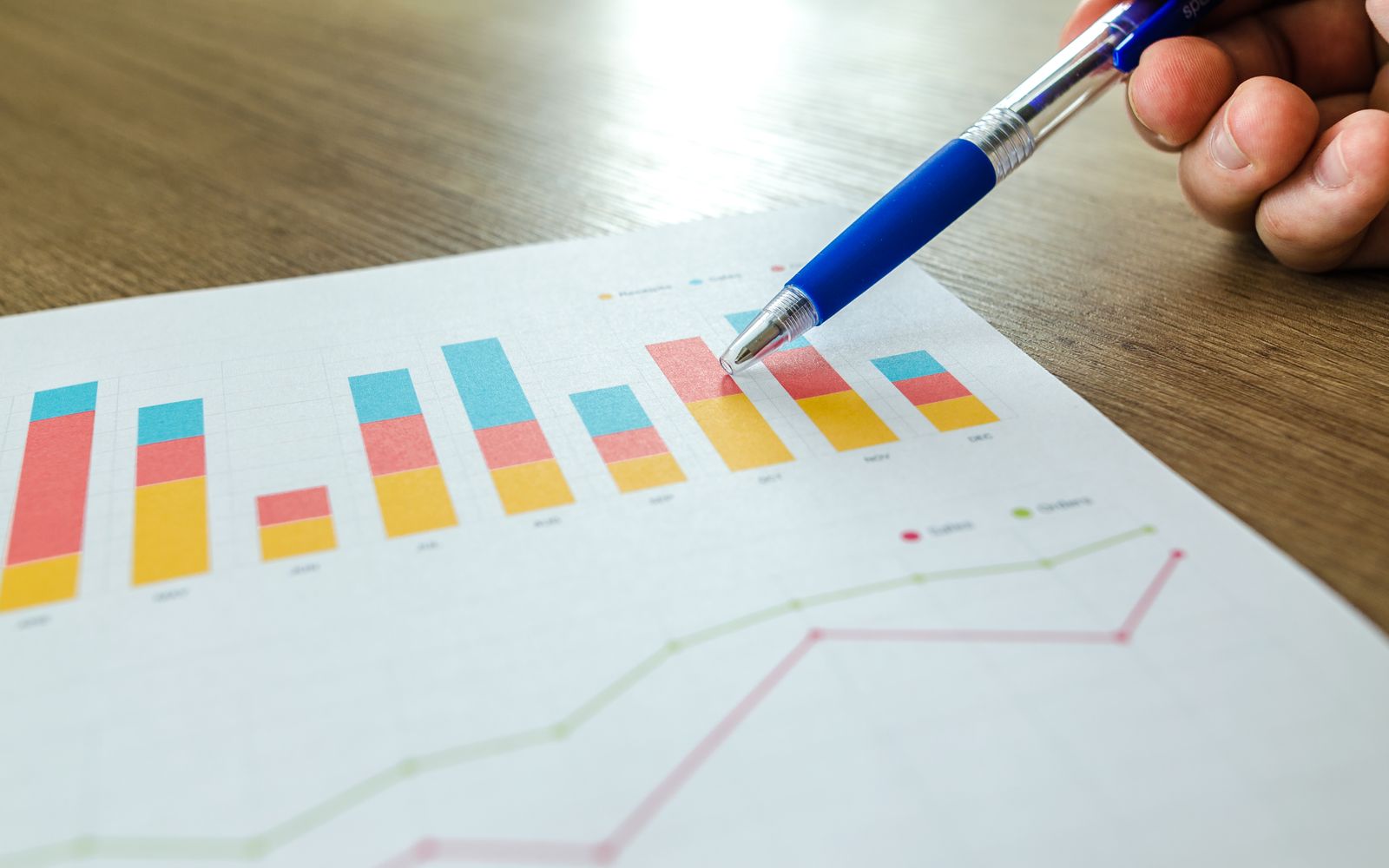
A Swiss SME's accounting calendar
Every deadline has an owner: an obligation “of everyone” is kept by no one. Naming one person per deadline family (VAT, payroll, taxes) closes the gaps.
Delays rarely come alone: neglected bookkeeping postpones the closing, hence the tax return, hence the recalculated instalments — and the business flies blind for months. Keeping the books current as you go is the only sustainable way to hold every cascading deadline.
Scharans: what changes, what does not
Working with a fiduciary from Scharans no longer depends on geography: the documents of a business in Scharans are shared online, while the canton Grisons keeps its own deadlines for the tax return.
For a business in Scharans, that means VAT returns identical to anywhere in Switzerland, but a tax return and family allowances governed by the canton Grisons.
Frequently asked questions
How long must records related to SME tax return be kept?
Ten years from the end of the financial year concerned (art. 958f CO). Electronic retention is permitted if the integrity and readability of the records are guaranteed — a serious digital archive validly replaces paper binders. A business in Scharans can therefore archive fully digitally.
What are the legal obligations for SME tax return in Switzerland?
The foundation is the Code of Obligations: proper bookkeeping (art. 957a CO), annual accounts (balance sheet, income statement, notes) and 10-year retention of books and records (art. 958f CO). VAT applies from CHF 100,000 of turnover, and social insurance settlements from the first employee. Nothing is different in Scharans: federal law applies.
What is the difference between a limited and an ordinary audit?
The ordinary audit applies to companies exceeding, for two consecutive years, two of three thresholds: CHF 20 million balance sheet total, CHF 40 million revenue, 250 full-time positions. Others fall under the limited audit, and those with no more than ten full-time positions on annual average can opt out with all shareholders' consent. These federal thresholds do not depend on the registered seat — in Scharans as anywhere.
Effective VAT method or net tax rate: how to choose?
The effective method deducts actual input VAT and files quarterly; the net tax rate method applies a flat industry rate to turnover, semi-annually, with no separate input VAT deduction. The flat rate suits low-cost structures; as investments grow, the effective method usually wins again. The choice rests on the company's own figures, in Scharans as anywhere.
Also worth reading
In neighbouring municipalities
Switch to accounting that keeps itself up to date
MyFiducia.ai automates SME tax return for businesses in Scharans: AI-read documents, posting suggestions, VAT and exports ready for your fiduciary. Try the platform or browse our other guides.
The application is operated in French.