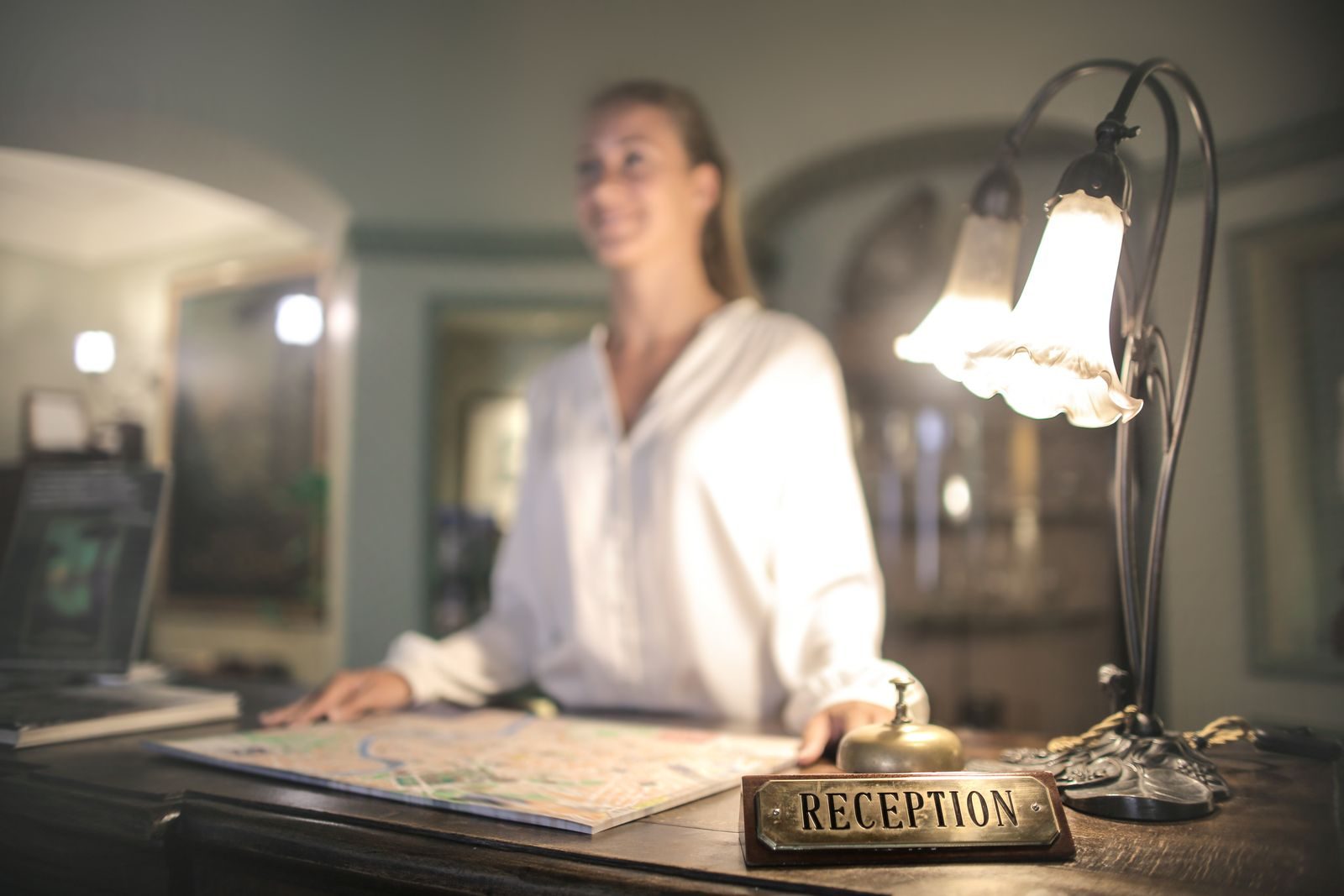
Accounting for other accommodation without the stress: how it works
NOGA code 559000 · ACCOMMODATION AND FOOD SERVICE ACTIVITIES
Accounting for other accommodation raises the same questions for most Swiss SME owners: which obligations apply, which deadlines are running, which documents to prepare. This page covers the federal rules in force — without unnecessary jargon.
The Swiss legal frame for accounting
AHV audits and VAT audits follow the same logic: start from the documents, trace to the entries, check consistency. A business with a clean audit trail sails through these exercises.
The law also settles the form: accounts may be kept in a national language or in English, on paper or electronically (art. 957a para. 5 CO). That pragmatism lets accounting run entirely on digital tools — no paper binder is required.
Outsource accounting or keep it in-house?
Outsourcing does not exempt you from understanding: an owner who can read the balance sheet and the income statement challenges the fiduciary better — and pays for advice, not re-keying.
Three signals say it is time to delegate more: missed deadlines (VAT, AHV), entries running months behind, or an owner spending evenings on receipts instead of the business. Conversely, an SME equipped with modern software can safely take day-to-day entry back in-house.
A Swiss SME's accounting calendar
Tax instalments are steered: too low, they set up a salty final bill; too high, they tie up cash. Adjusting them on current figures is a profitable reflex.
An isolated delay can be caught up; a structural delay is paid in interest, fines and stress. The difference between the two: a system, not good intentions.
A well-structured SME chart of accounts
The test of a good chart of accounts is a single question: can the owner find the margins in three clicks? If not, the chart serves the tax office but not the business.
The chart of accounts is also the hinge to VAT: every revenue account carries its rate (8.1%, 2.6%, 3.8% or exempt), every expense account its input-tax right. Set those attributes once in the tool and every subsequent return becomes reliable.
Digitalising accounting: what actually works
Access for the fiduciary, the auditor and employees is set by roles: view, enter, approve, close. Well-set rights protect the data and speed up collaboration.
The selection criterion for a tool is not the length of its feature list but the robustness of the daily flow: reliable bank imports, VAT computed correctly (8.1 / 2.6 / 3.8%), a complete audit trail from document to entry, and a clean export for the auditor or fiduciary. Everything else is secondary.
Frequently asked questions
Which documents should be prepared for the year-end closing?
Bank and cash statements at the closing date, the inventory of stock and work in progress, final AHV/LPP/accident settlements, contracts signed or amended during the year, invoices straddling two years and the detail of accruals. With an up-to-date document archive, most of it is already there.
How much does accounting cost in Switzerland?
It depends on document volume, the number of salaries and VAT complexity — no serious figure can be quoted without examining the file. Two levers cut the bill everywhere: digitised, well-filed receipts and software that prepares entries instead of having them re-keyed.
How long must records related to accounting be kept?
Ten years from the end of the financial year concerned (art. 958f CO). Electronic retention is permitted if the integrity and readability of the records are guaranteed — a serious digital archive validly replaces paper binders.
Do you need a fiduciary for accounting, or can you do it yourself?
Both are defensible. Below CHF 500,000 of revenue, a sole proprietorship may keep simplified accounts itself. As soon as payroll, VAT and a closing with tax stakes are involved, professional support prevents mistakes that cost more than the fees.
Professions in the same sector
- Hotels, inns and guesthouses with restaurants
- Hotels, inns and guesthouses without restaurants
- Management of hotels, inns and guesthouses
- Holiday apartments, holiday homes
- Group accommodation
- Management of holiday apartments and collective accommodation
- Camping grounds, recreational vehicle parks and trailer parks
- Management of camping grounds, recreational vehicle parks and trailer parks
- Restaurants, cafes, snack bars, tea rooms, ice-cream parlours
- Restaurants with accommodation
- Management of restaurants
- Event catering activities
This guide by municipality
Also worth reading
Switch to accounting that keeps itself up to date
MyFiducia.ai automates accounting for Swiss SMEs: AI-read documents, posting suggestions, VAT and exports ready for your fiduciary. Try the platform or browse our other guides.
The application is operated in French.
Source: NOGA 2008 nomenclature, Swiss Federal Statistical Office (FSO). A statistical nomenclature: it describes an activity and is not a commercial register entry.