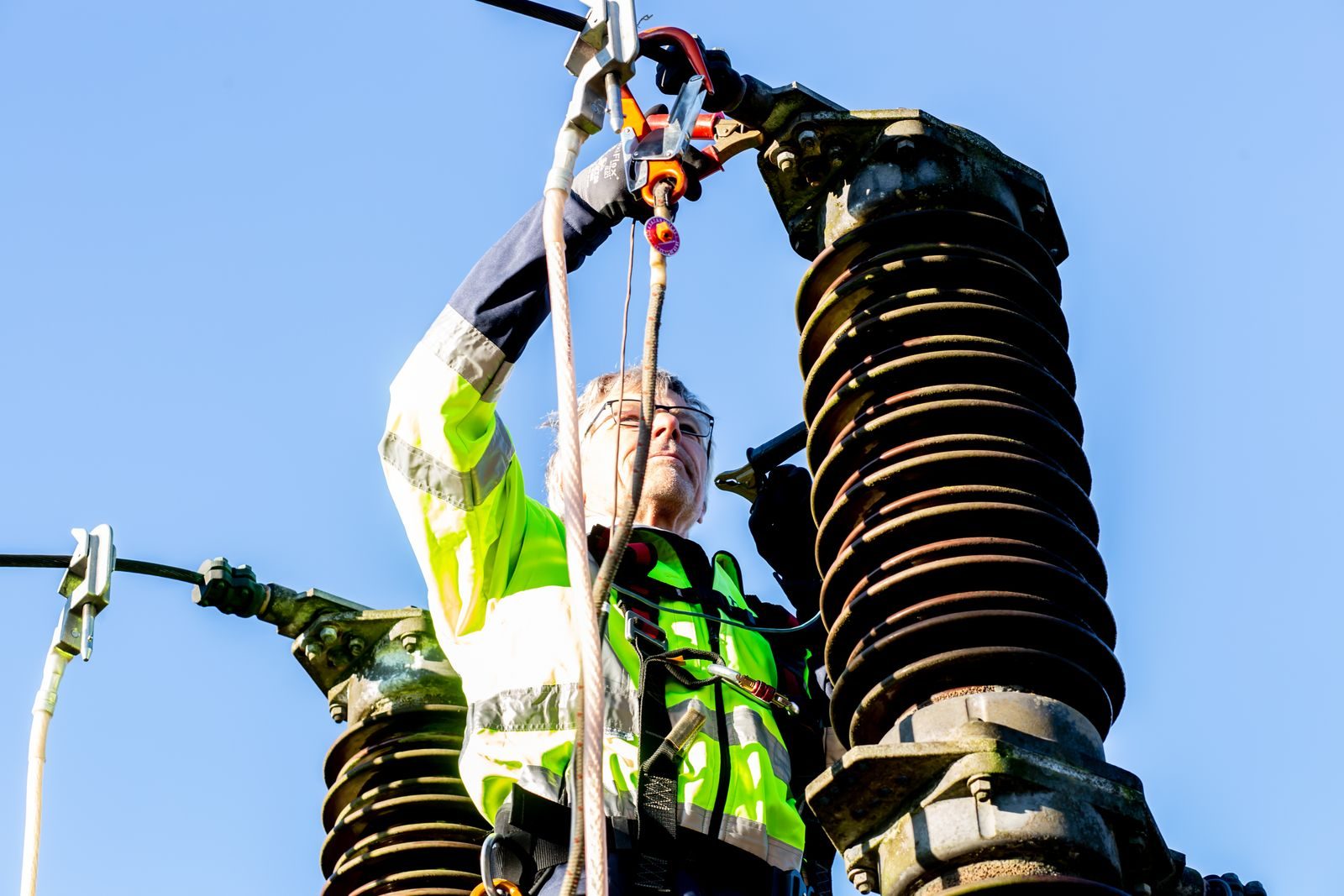
Accounting for trade of gas through mains without the stress: how it works
NOGA code 352300 · ELECTRICITY, GAS, STEAM AND AIR-CONDITIONING SUPPLY
Accounting for trade of gas through mains rests on three pillars: federal law that applies across Switzerland, cantonal deadlines worth knowing, and tools that eliminate re-keying. This guide puts it all in order, fact by fact.
The Swiss legal frame for accounting
AHV audits and VAT audits follow the same logic: start from the documents, trace to the entries, check consistency. A business with a clean audit trail sails through these exercises.
For accounting, the classic early mistake remains mixing private and business: a dedicated bank account and documented private withdrawals eliminate half the discussions with the tax office.
A well-structured SME chart of accounts
Concretely, accounting benefits from three tiers: balance-sheet accounts (classes 1-2) kept spotless for the closing, income accounts (classes 3-6) shaped for steering, and closing accounts (class 9) reserved for year-end entries. Each tier has its rhythm and its owner.
The chart of accounts is also the hinge to VAT: every revenue account carries its rate (8.1%, 2.6%, 3.8% or exempt), every expense account its input-tax right. Set those attributes once in the tool and every subsequent return becomes reliable.
Digitalising accounting: what actually works
Security is part of digitalisation: named access, tested backups, encryption of sensitive data. A digital accounting file is protected like a safe — because it is one.
A dashboard only has value if the data is fresh: automating data entry means, first of all, buying up-to-date information about your own business.
Outsource accounting or keep it in-house?
Responsibility stays with the client: the fiduciary executes with care, but the signed accounts bind the company. Understanding what you sign is not optional.
For accounting, a quarterly 30-minute check-in with the fiduciary beats an annual marathon: questions get handled while they are small.
A Swiss SME's accounting calendar
Three families of deadlines shape the year: federal (VAT within 60 days, salary declaration in January), cantonal (tax return, extensions depending on the canton) and internal (closing, general meeting within six months). Mixing them up is the leading cause of delays.
For accounting, year-end is prepared in October: last invoices, investment decisions, provisions to assess — December is too late to act, January is for recording.
Frequently asked questions
Do you need a fiduciary for accounting, or can you do it yourself?
Both are defensible. Below CHF 500,000 of revenue, a sole proprietorship may keep simplified accounts itself. As soon as payroll, VAT and a closing with tax stakes are involved, professional support prevents mistakes that cost more than the fees.
What is the difference between a limited and an ordinary audit?
The ordinary audit applies to companies exceeding, for two consecutive years, two of three thresholds: CHF 20 million balance sheet total, CHF 40 million revenue, 250 full-time positions. Others fall under the limited audit, and those with no more than ten full-time positions on annual average can opt out with all shareholders' consent.
Can accounting be automated with AI?
Largely, yes: automatic document reading, posting suggestions, bank reconciliation via QR references and VAT exports. Human approval remains essential — AI prepares, the professional checks. That is exactly how MyFiducia.ai approaches accounting.
When is entry in the commercial register mandatory?
A Sàrl and an SA only come into existence with their registration. A sole proprietorship must register from CHF 100,000 of annual revenue; below that, registration stays voluntary but adds credibility and protects the business name.
Professions in the same sector
This guide by municipality
Also worth reading
Switch to accounting that keeps itself up to date
MyFiducia.ai automates accounting for Swiss SMEs: AI-read documents, posting suggestions, VAT and exports ready for your fiduciary. Try the platform or browse our other guides.
The application is operated in French.
Source: NOGA 2008 nomenclature, Swiss Federal Statistical Office (FSO). A statistical nomenclature: it describes an activity and is not a commercial register entry.