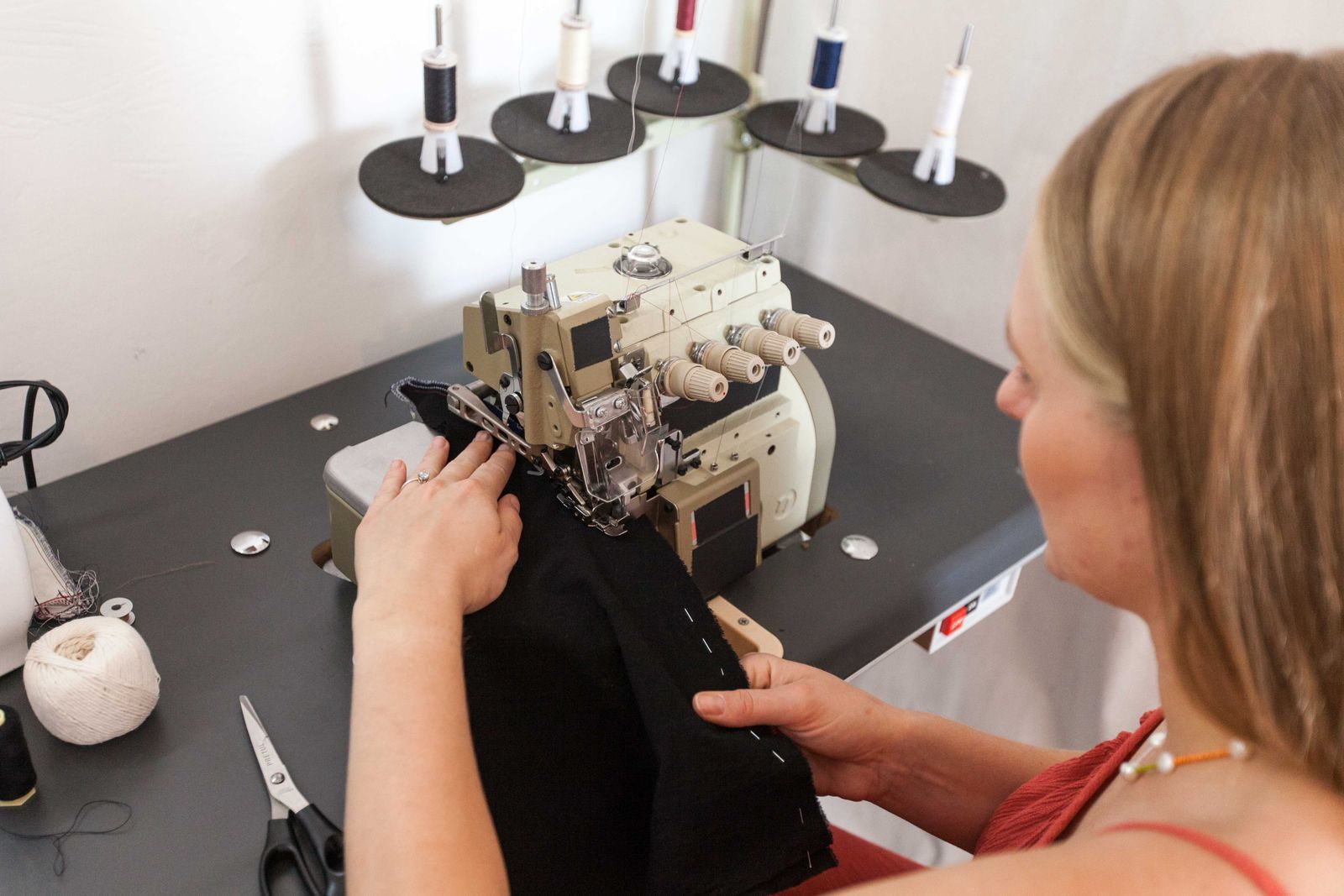
Accounting for manufacture of luggage, handbags and the like, saddlery and harnesses without the stress: how it works
NOGA code 151200 · MANUFACTURING
Whether you run a Sàrl, an SA or a sole proprietorship, accounting eventually lands on your desk. Here are the practical reference points — legal basis, deadlines and common pitfalls — to decide with a clear head.
The Swiss legal frame for accounting
Swiss accounting law has been unified in the Code of Obligations since 2013: the same bookkeeping rules (art. 957a CO) and retention rules (art. 958f CO — 10 years for books, vouchers and reports) apply regardless of legal form. Accounting sits squarely within this frame.
One simple principle drives accounting: every franc in or out must be explainable by a document, an entry and an account. All of Swiss accounting law fits inside that traceability requirement.
A Swiss SME's accounting calendar
Every deadline has an owner: an obligation “of everyone” is kept by no one. Naming one person per deadline family (VAT, payroll, taxes) closes the gaps.
An SME that holds its calendar twelve months straight changes its position: fewer official reminders, easier extensions — and accounting stops being a source of worry.
A well-structured SME chart of accounts
The same chart serves three readings: accounting (accuracy), tax (accepted adjustments) and management (margins by activity). Modern software produces all three views without double entry.
For accounting, a few well-chosen analytical accounts (by activity, by site) beat a forest of sub-accounts nobody ever reads.
Digitalising accounting: what actually works
The classic digitalisation traps are avoidable: scanning without quality control (unreadable records), stacking disconnected tools (double entry in disguise), or neglecting access rights. One single flow from document to entry, with clear roles, beats five shiny apps.
Migrate in stages: supplier invoices first (high volume, immediate gain), then receivables with the QR-bill, finally payroll and the closing. At each stage, comparing one month before/after is enough to prove the gain — no theoretical promises needed.
Outsource accounting or keep it in-house?
A fiduciary's cost depends first on the quality of the data received: digitised, filed, reconciled documents are processed fast; a box of loose receipts is billed by the hour. Improving the internal preparation of accounting lowers fees more surely than any negotiation.
Three signals say it is time to delegate more: missed deadlines (VAT, AHV), entries running months behind, or an owner spending evenings on receipts instead of the business. Conversely, an SME equipped with modern software can safely take day-to-day entry back in-house.
Frequently asked questions
What is simplified bookkeeping and who can use it?
Sole proprietorships and partnerships under CHF 500,000 of revenue may limit themselves to recording income, expenses and assets (art. 957 para. 2 CO). Once over the threshold — or upon founding a Sàrl or an SA — full accounts with balance sheet, income statement and notes become mandatory.
What is the difference between a limited and an ordinary audit?
The ordinary audit applies to companies exceeding, for two consecutive years, two of three thresholds: CHF 20 million balance sheet total, CHF 40 million revenue, 250 full-time positions. Others fall under the limited audit, and those with no more than ten full-time positions on annual average can opt out with all shareholders' consent.
Can accounting be automated with AI?
Largely, yes: automatic document reading, posting suggestions, bank reconciliation via QR references and VAT exports. Human approval remains essential — AI prepares, the professional checks. That is exactly how MyFiducia.ai approaches accounting.
Which documents should be prepared for the year-end closing?
Bank and cash statements at the closing date, the inventory of stock and work in progress, final AHV/LPP/accident settlements, contracts signed or amended during the year, invoices straddling two years and the detail of accruals. With an up-to-date document archive, most of it is already there.
Professions in the same sector
- Production and preserving of meat (except poultry meat)
- Production and preserving of poultry meat
- Production of meat and poultry meat products
- Processing and preserving of fish, crustaceans and molluscs
- Processing and preserving of potatoes
- Manufacture of fruit and vegetable juice
- Other processing and preserving of fruit and vegetables
- Manufacture of oils and fats
- Manufacture of margarine and similar edible fats
- Manufacture of fresh dairy products
- Manufacture of cheese
- Other milk processing
This guide by municipality
Also worth reading
Switch to accounting that keeps itself up to date
MyFiducia.ai automates accounting for Swiss SMEs: AI-read documents, posting suggestions, VAT and exports ready for your fiduciary. Try the platform or browse our other guides.
The application is operated in French.
Source: NOGA 2008 nomenclature, Swiss Federal Statistical Office (FSO). A statistical nomenclature: it describes an activity and is not a commercial register entry.