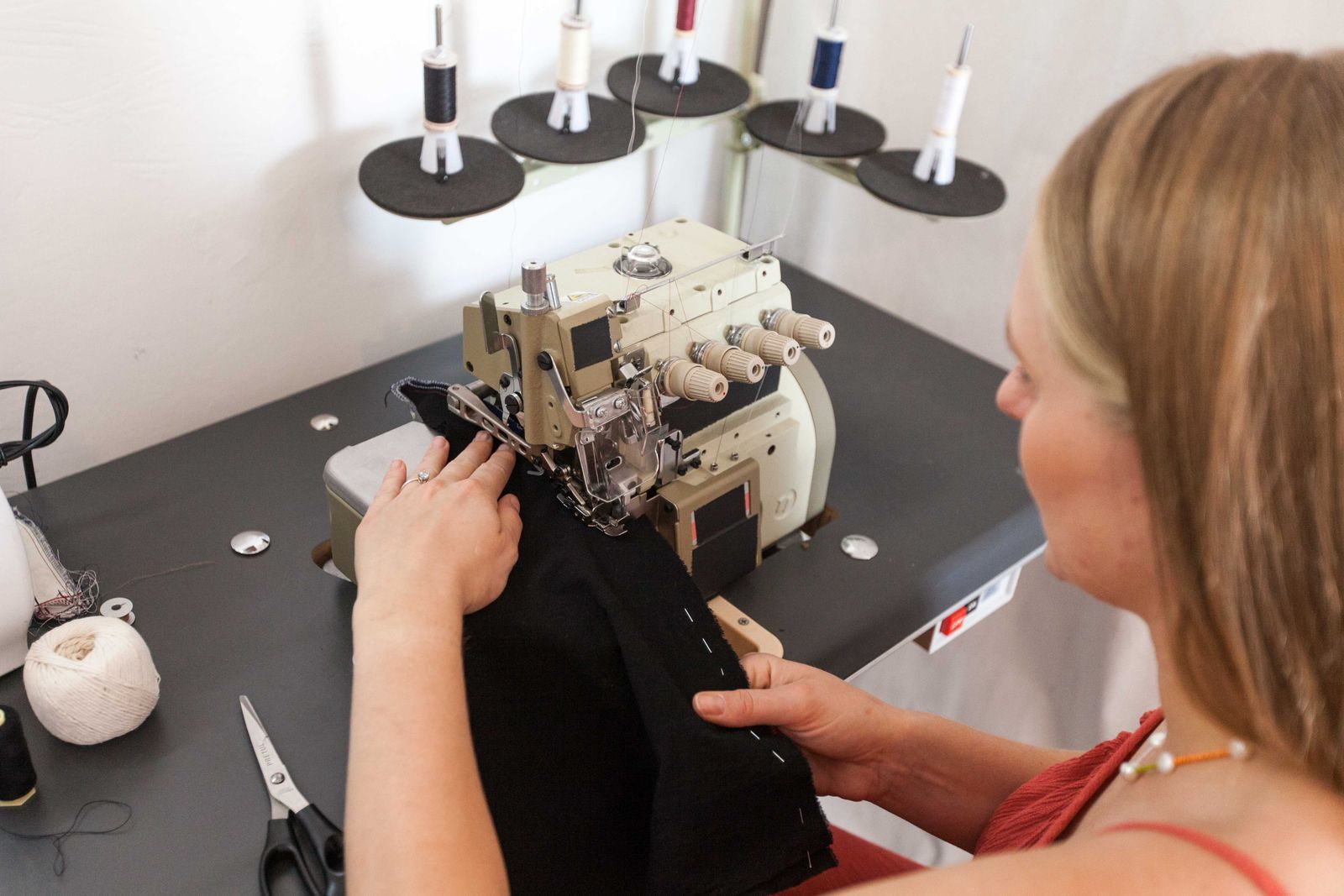
Everything that matters about accounting for manufacture of ribbons, belts, trimmings and tubes
NOGA code 139902 · MANUFACTURING
Delegate, digitalise or do it all yourself? Around accounting, every SME draws its own line. The reference points below — federal law, cantonal practice and lessons from the field — help you place the cursor well.
The Swiss legal frame for accounting
Responsibility for the books is personal: in an SA, organising the accounting is one of the board's non-transferable duties (art. 716a CO); in a Sàrl, the managing directors carry the same duty. Outsourcing the execution never transfers that underlying responsibility.
The annual accounts (art. 958 CO) consist of the balance sheet, the income statement and the notes; they must be drawn up within six months of the year-end so the general meeting can approve them. A delay here cascades into the tax return and the final social insurance settlements.
Outsource accounting or keep it in-house?
Outsourcing does not exempt you from understanding: an owner who can read the balance sheet and the income statement challenges the fiduciary better — and pays for advice, not re-keying.
Changing fiduciary is not a drama: the accounting data belongs to the company, and a clean export (entries, chart of accounts, linked documents) allows a transition at year-end. A provider who locks in a client's data says a lot about how it works.
A Swiss SME's accounting calendar
The professionals' trick: handle every deadline at D-30, not D-1. A VAT return prepared a month early leaves time to chase a missing document without penalty.
The useful reflex: date every obligation the moment it arises. An employee hired means AHV/LPP deadlines created; VAT registration means a filing cycle set; a closing date fixed means backward planning of the close. Well organised, the accounting calendar fills itself.
A well-structured SME chart of accounts
Shareholder current accounts demand strict hygiene: every private withdrawal documented, interest at the rates accepted by the tax administration, and a clean-up at closing.
Standard numbering also enables automation: stable posting rules (same supplier, same account) make data entry predictable and the audit faster. Avoid changing the chart of accounts mid-year — migrate at the closing date, with a documented mapping table.
Digitalising accounting: what actually works
Access for the fiduciary, the auditor and employees is set by roles: view, enter, approve, close. Well-set rights protect the data and speed up collaboration.
A dashboard only has value if the data is fresh: automating data entry means, first of all, buying up-to-date information about your own business.
Frequently asked questions
Do you need a fiduciary for accounting, or can you do it yourself?
Both are defensible. Below CHF 500,000 of revenue, a sole proprietorship may keep simplified accounts itself. As soon as payroll, VAT and a closing with tax stakes are involved, professional support prevents mistakes that cost more than the fees.
Effective VAT method or net tax rate: how to choose?
The effective method deducts actual input VAT and files quarterly; the net tax rate method applies a flat industry rate to turnover, semi-annually, with no separate input VAT deduction. The flat rate suits low-cost structures; as investments grow, the effective method usually wins again.
Can accounting be automated with AI?
Largely, yes: automatic document reading, posting suggestions, bank reconciliation via QR references and VAT exports. Human approval remains essential — AI prepares, the professional checks. That is exactly how MyFiducia.ai approaches accounting.
Does MyFiducia.ai work for a business anywhere in Switzerland?
Yes: the platform runs online, the rules applied are federal (VAT, CO, AHV), and the file can be shared with any fiduciary. Cantonal specifics (taxes, allowances) are configured in your file.
Professions in the same sector
- Production and preserving of meat (except poultry meat)
- Production and preserving of poultry meat
- Production of meat and poultry meat products
- Processing and preserving of fish, crustaceans and molluscs
- Processing and preserving of potatoes
- Manufacture of fruit and vegetable juice
- Other processing and preserving of fruit and vegetables
- Manufacture of oils and fats
- Manufacture of margarine and similar edible fats
- Manufacture of fresh dairy products
- Manufacture of cheese
- Other milk processing
This guide by municipality
Also worth reading
Switch to accounting that keeps itself up to date
MyFiducia.ai automates accounting for Swiss SMEs: AI-read documents, posting suggestions, VAT and exports ready for your fiduciary. Try the platform or browse our other guides.
The application is operated in French.
Source: NOGA 2008 nomenclature, Swiss Federal Statistical Office (FSO). A statistical nomenclature: it describes an activity and is not a commercial register entry.