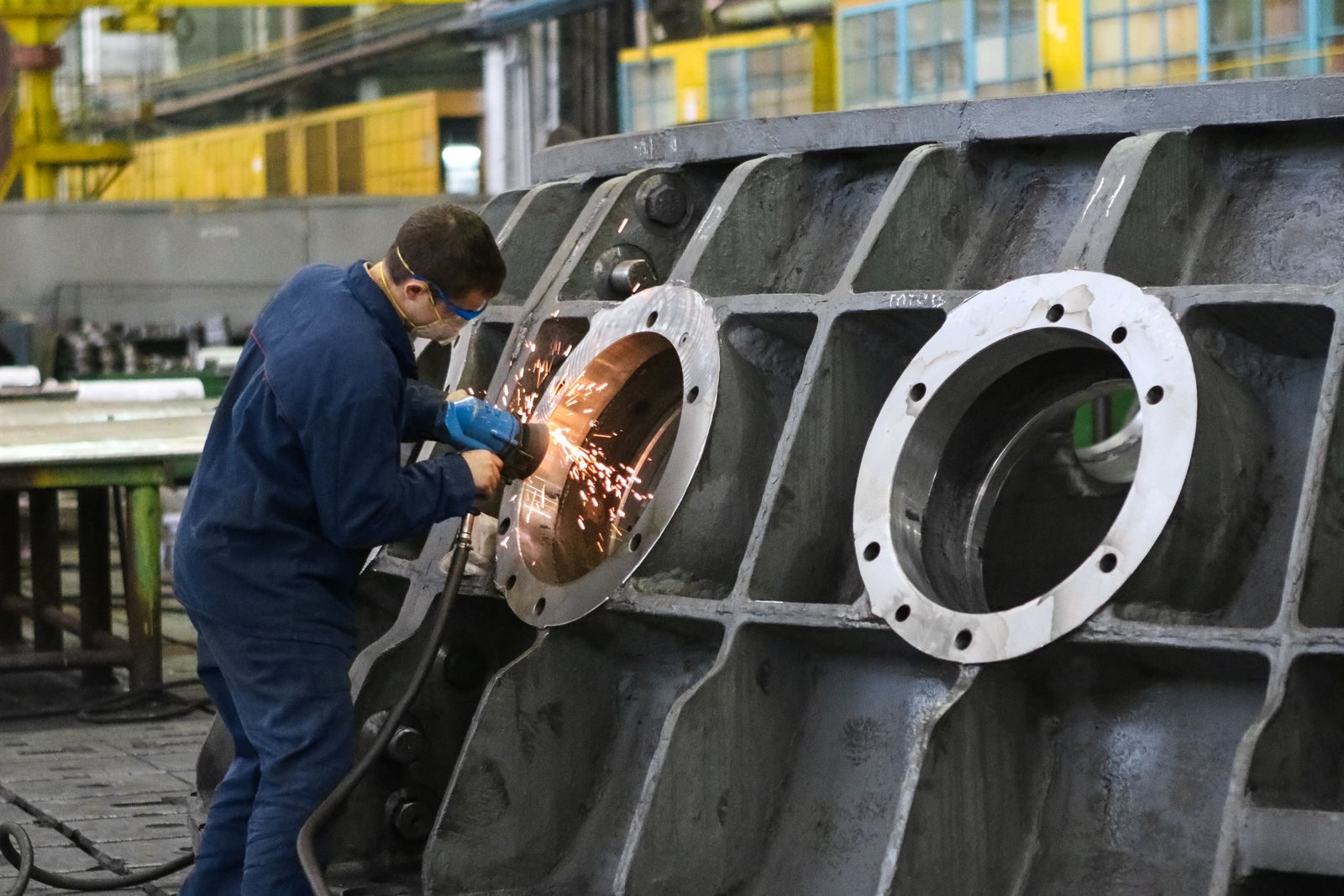
Accounting for manufacture of bodies (coachwork) for motor vehicles; manufacture of trailers and semi-trailers: what every SME should know
NOGA code 292000 · MANUFACTURING
Delegate, digitalise or do it all yourself? Around accounting, every SME draws its own line. The reference points below — federal law, cantonal practice and lessons from the field — help you place the cursor well.
The Swiss legal frame for accounting
Responsibility for the books is personal: in an SA, organising the accounting is one of the board's non-transferable duties (art. 716a CO); in a Sàrl, the managing directors carry the same duty. Outsourcing the execution never transfers that underlying responsibility.
Also worth knowing: accounts may be drawn up in the currency most relevant to the business; if that is not the franc, values must additionally be stated in CHF (art. 958d para. 3 CO). Internationally active companies gain books that match their economic reality.
A well-structured SME chart of accounts
Account labels deserve as much care as numbers: “Third-party fees” says nothing, “Fiduciary fees” and “IT fees” say everything. Meaningful labels cut posting errors and make dashboards readable without a glossary.
The chart of accounts is also the hinge to VAT: every revenue account carries its rate (8.1%, 2.6%, 3.8% or exempt), every expense account its input-tax right. Set those attributes once in the tool and every subsequent return becomes reliable.
Digitalising accounting: what actually works
Artificial intelligence has changed the economics of accounting: automatic invoice reading reaches recognition rates that make manual entry marginal, and posting suggestions learn from corrections. The accountant does not disappear — the job shifts from data entry to control and advice.
A dashboard only has value if the data is fresh: automating data entry means, first of all, buying up-to-date information about your own business.
Outsource accounting or keep it in-house?
The scope goes down in writing: who enters data, who approves payments, who answers the tax office, who keeps the originals. Every “we'll see” at the start becomes a December misunderstanding.
As everywhere, the right collaboration rhythm follows the activity: monthly for payroll and data entry, quarterly for VAT, yearly for the closing and tax advice.
A Swiss SME's accounting calendar
The professionals' trick: handle every deadline at D-30, not D-1. A VAT return prepared a month early leaves time to chase a missing document without penalty.
For accounting, year-end is prepared in October: last invoices, investment decisions, provisions to assess — December is too late to act, January is for recording.
Frequently asked questions
Which social contributions does a Swiss employer pay?
AHV/IV/APG: 5.3% employer share (the same is withheld from the employee); unemployment insurance: 1.1% each up to CHF 148,200 a year; occupational pension (LPP) by age and plan (employer at least 50%); occupational accident insurance paid by the employer; family allowances by canton.
What is simplified bookkeeping and who can use it?
Sole proprietorships and partnerships under CHF 500,000 of revenue may limit themselves to recording income, expenses and assets (art. 957 para. 2 CO). Once over the threshold — or upon founding a Sàrl or an SA — full accounts with balance sheet, income statement and notes become mandatory.
Effective VAT method or net tax rate: how to choose?
The effective method deducts actual input VAT and files quarterly; the net tax rate method applies a flat industry rate to turnover, semi-annually, with no separate input VAT deduction. The flat rate suits low-cost structures; as investments grow, the effective method usually wins again.
What is the difference between a limited and an ordinary audit?
The ordinary audit applies to companies exceeding, for two consecutive years, two of three thresholds: CHF 20 million balance sheet total, CHF 40 million revenue, 250 full-time positions. Others fall under the limited audit, and those with no more than ten full-time positions on annual average can opt out with all shareholders' consent.
Professions in the same sector
- Production and preserving of meat (except poultry meat)
- Production and preserving of poultry meat
- Production of meat and poultry meat products
- Processing and preserving of fish, crustaceans and molluscs
- Processing and preserving of potatoes
- Manufacture of fruit and vegetable juice
- Other processing and preserving of fruit and vegetables
- Manufacture of oils and fats
- Manufacture of margarine and similar edible fats
- Manufacture of fresh dairy products
- Manufacture of cheese
- Other milk processing
This guide by municipality
Also worth reading
Switch to accounting that keeps itself up to date
MyFiducia.ai automates accounting for Swiss SMEs: AI-read documents, posting suggestions, VAT and exports ready for your fiduciary. Try the platform or browse our other guides.
The application is operated in French.
Source: NOGA 2008 nomenclature, Swiss Federal Statistical Office (FSO). A statistical nomenclature: it describes an activity and is not a commercial register entry.