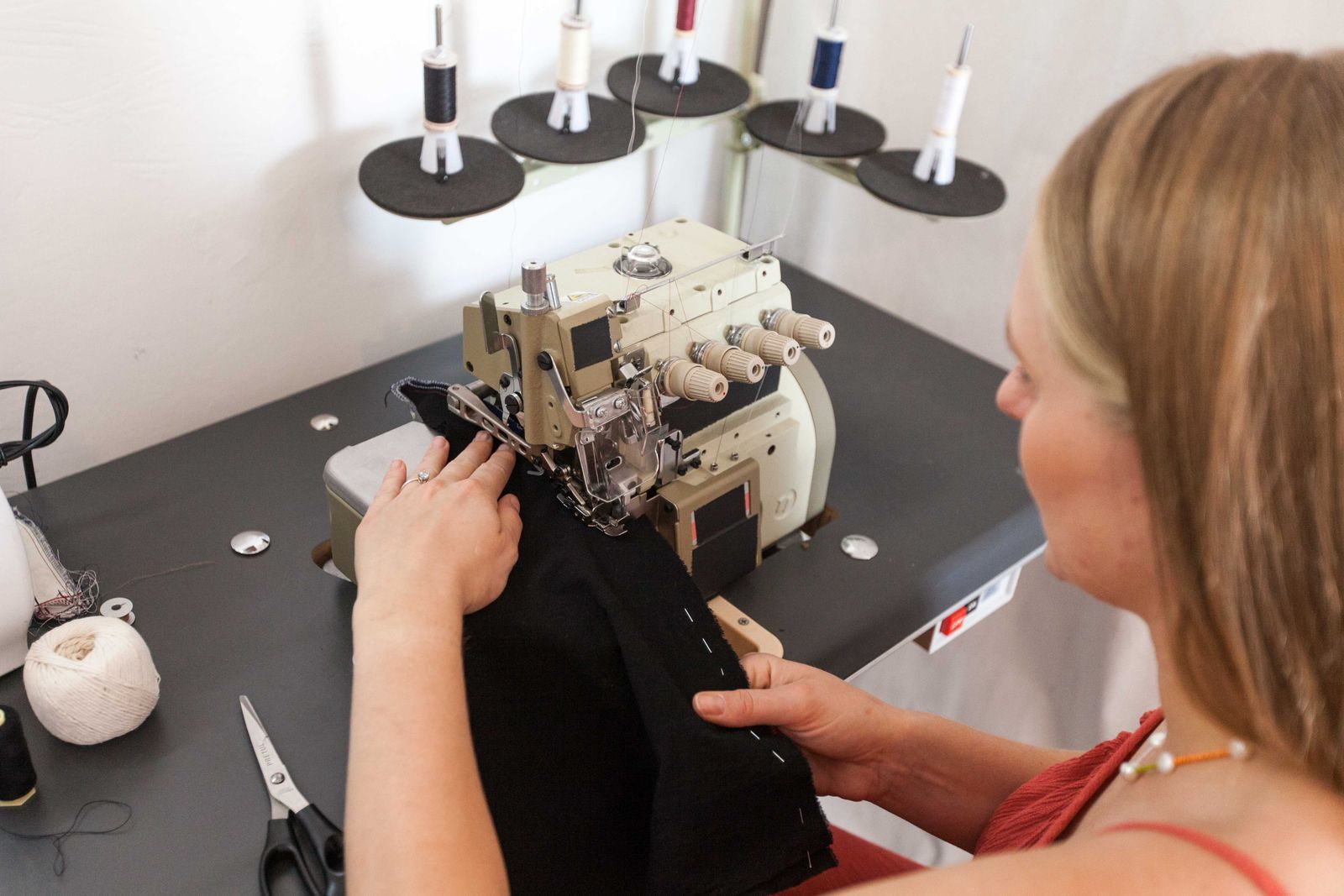
Accounting for manufacture of non-wovens and articles made from non-wovens, except apparel in Switzerland: the practical guide
NOGA code 139500 · MANUFACTURING
Between VAT, social contributions and the year-end close, a Swiss SME juggles dozens of deadlines a year. This page focuses on accounting: what the law requires, what can be automated, and when to delegate.
The Swiss legal frame for accounting
AHV audits and VAT audits follow the same logic: start from the documents, trace to the entries, check consistency. A business with a clean audit trail sails through these exercises.
The good news: the Swiss frame is stable and predictable. Structure accounting once — chart of accounts, document flow, calendar — and the same organisation pays off for years.
A well-structured SME chart of accounts
Concretely, accounting benefits from three tiers: balance-sheet accounts (classes 1-2) kept spotless for the closing, income accounts (classes 3-6) shaped for steering, and closing accounts (class 9) reserved for year-end entries. Each tier has its rhythm and its owner.
For accounting, the right granularity is decisive: enough accounts to steer the business (margins by activity, expenses by nature), few enough that every entry finds its place without hesitation. The VAT accounts (input VAT, VAT due) deserve special care — they are the basis of the annual reconciliation.
Digitalising accounting: what actually works
Access for the fiduciary, the auditor and employees is set by roles: view, enter, approve, close. Well-set rights protect the data and speed up collaboration.
The real gain of digitalised accounting shows day to day: no paper pile at month-end, VAT prepared continuously, and an owner reading today's figures rather than last quarter's.
Outsource accounting or keep it in-house?
A fiduciary's cost depends first on the quality of the data received: digitised, filed, reconciled documents are processed fast; a box of loose receipts is billed by the hour. Improving the internal preparation of accounting lowers fees more surely than any negotiation.
You can combine the models: internal day-to-day entry, monthly external supervision, closing and taxes with the specialist — accounting splits very well.
A Swiss SME's accounting calendar
January: salary declaration to the compensation office and salary certificates. End of February, May, August, November: quarterly VAT returns (effective method), each to be filed and paid within 60 days after the quarter ends. Within six months of year-end: approved annual accounts. Then: the tax return under cantonal deadlines, with extensions possible.
An SME that holds its calendar twelve months straight changes its position: fewer official reminders, easier extensions — and accounting stops being a source of worry.
Frequently asked questions
What are the legal obligations for accounting in Switzerland?
The foundation is the Code of Obligations: proper bookkeeping (art. 957a CO), annual accounts (balance sheet, income statement, notes) and 10-year retention of books and records (art. 958f CO). VAT applies from CHF 100,000 of turnover, and social insurance settlements from the first employee.
What is the difference between a limited and an ordinary audit?
The ordinary audit applies to companies exceeding, for two consecutive years, two of three thresholds: CHF 20 million balance sheet total, CHF 40 million revenue, 250 full-time positions. Others fall under the limited audit, and those with no more than ten full-time positions on annual average can opt out with all shareholders' consent.
How long must records related to accounting be kept?
Ten years from the end of the financial year concerned (art. 958f CO). Electronic retention is permitted if the integrity and readability of the records are guaranteed — a serious digital archive validly replaces paper binders.
Which documents should be prepared for the year-end closing?
Bank and cash statements at the closing date, the inventory of stock and work in progress, final AHV/LPP/accident settlements, contracts signed or amended during the year, invoices straddling two years and the detail of accruals. With an up-to-date document archive, most of it is already there.
Professions in the same sector
- Production and preserving of meat (except poultry meat)
- Production and preserving of poultry meat
- Production of meat and poultry meat products
- Processing and preserving of fish, crustaceans and molluscs
- Processing and preserving of potatoes
- Manufacture of fruit and vegetable juice
- Other processing and preserving of fruit and vegetables
- Manufacture of oils and fats
- Manufacture of margarine and similar edible fats
- Manufacture of fresh dairy products
- Manufacture of cheese
- Other milk processing
This guide by municipality
Also worth reading
Switch to accounting that keeps itself up to date
MyFiducia.ai automates accounting for Swiss SMEs: AI-read documents, posting suggestions, VAT and exports ready for your fiduciary. Try the platform or browse our other guides.
The application is operated in French.
Source: NOGA 2008 nomenclature, Swiss Federal Statistical Office (FSO). A statistical nomenclature: it describes an activity and is not a commercial register entry.