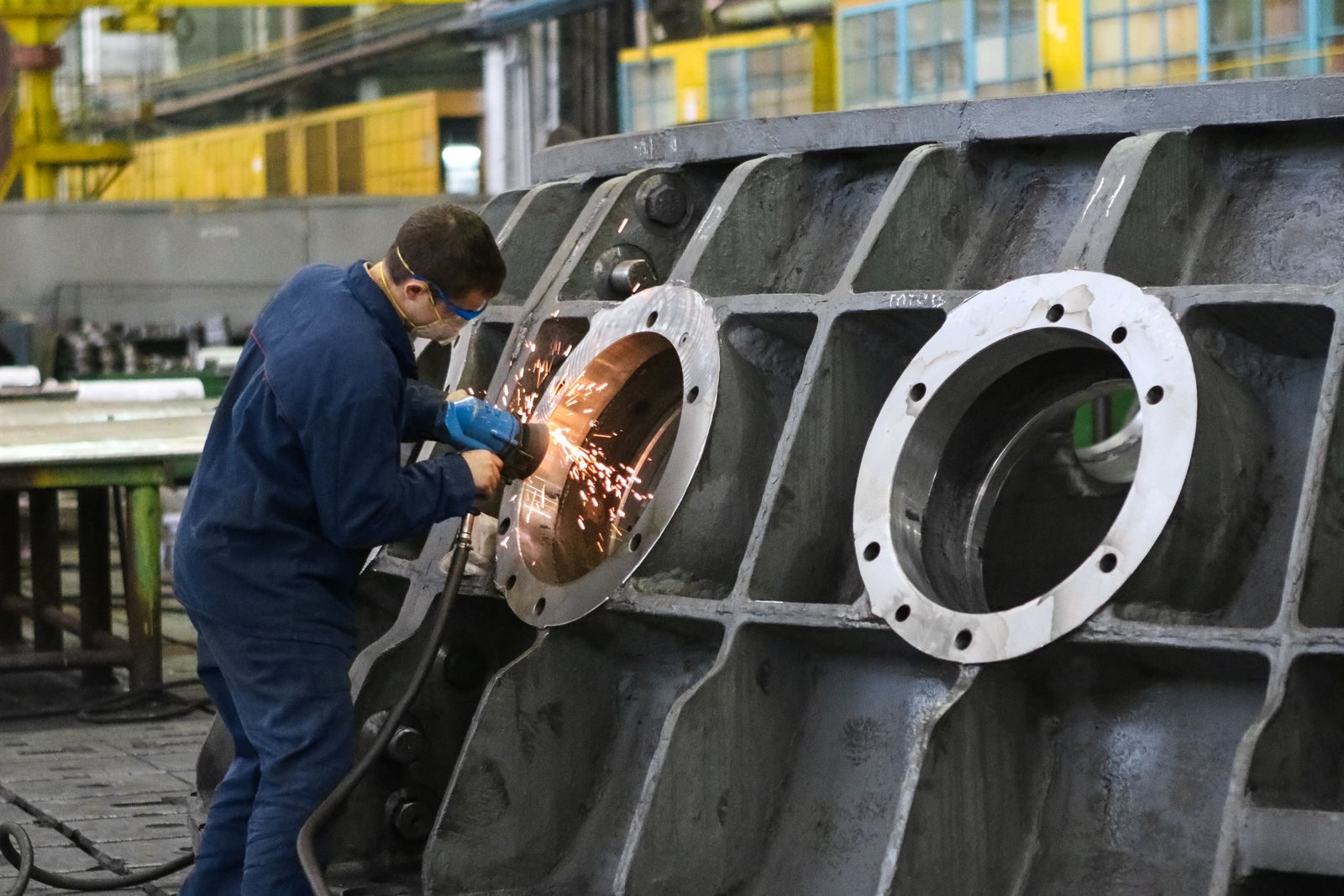
Accounting for manufacture of paper and paperboard: rules, deadlines, best practice
NOGA code 171200 · MANUFACTURING
Swiss accounting law (art. 957 ff. of the Code of Obligations) sets a precise frame, yet day-to-day practice often stays fuzzy. This guide walks through what actually matters for a business based in Switzerland.
The Swiss legal frame for accounting
AHV audits and VAT audits follow the same logic: start from the documents, trace to the entries, check consistency. A business with a clean audit trail sails through these exercises.
The good news: the Swiss frame is stable and predictable. Structure accounting once — chart of accounts, document flow, calendar — and the same organisation pays off for years.
A well-structured SME chart of accounts
A chart of accounts gets documented: one description line per account (what, when, VAT) is enough for two people to post the same way. It is the quality manual of accounting.
Comparability over time beats sophistication: a chart stable for five years beats a “perfect” one rebuilt every year. Banks and the tax administration read year-on-year movements first.
Digitalising accounting: what actually works
A serious accounting document archive links every record to its entry, timestamps versions and logs access — exactly what Swiss bookkeeping regulation expects from probative electronic retention. Chronological filing by financial year becomes an automatic by-product.
Migrate in stages: supplier invoices first (high volume, immediate gain), then receivables with the QR-bill, finally payroll and the closing. At each stage, comparing one month before/after is enough to prove the gain — no theoretical promises needed.
Outsource accounting or keep it in-house?
The scope goes down in writing: who enters data, who approves payments, who answers the tax office, who keeps the originals. Every “we'll see” at the start becomes a December misunderstanding.
With a shared online platform, collaboration works remotely, documents and entries visible to both sides in real time. The choice widens to all of Switzerland — competence becomes the criterion again, not the postcode.
A Swiss SME's accounting calendar
An accounting calendar only lives if it is shared: owner, in-house bookkeeper and fiduciary must see the same deadlines and the same status.
An SME that holds its calendar twelve months straight changes its position: fewer official reminders, easier extensions — and accounting stops being a source of worry.
Frequently asked questions
Does MyFiducia.ai work for a business anywhere in Switzerland?
Yes: the platform runs online, the rules applied are federal (VAT, CO, AHV), and the file can be shared with any fiduciary. Cantonal specifics (taxes, allowances) are configured in your file.
Effective VAT method or net tax rate: how to choose?
The effective method deducts actual input VAT and files quarterly; the net tax rate method applies a flat industry rate to turnover, semi-annually, with no separate input VAT deduction. The flat rate suits low-cost structures; as investments grow, the effective method usually wins again.
What are the legal obligations for accounting in Switzerland?
The foundation is the Code of Obligations: proper bookkeeping (art. 957a CO), annual accounts (balance sheet, income statement, notes) and 10-year retention of books and records (art. 958f CO). VAT applies from CHF 100,000 of turnover, and social insurance settlements from the first employee.
When must a business register for VAT?
As soon as its worldwide annual turnover reaches CHF 100,000 (CHF 250,000 for non-profit sports or cultural associations). Below that, voluntary registration remains possible and often makes sense to reclaim input VAT on investments.
Professions in the same sector
- Production and preserving of meat (except poultry meat)
- Production and preserving of poultry meat
- Production of meat and poultry meat products
- Processing and preserving of fish, crustaceans and molluscs
- Processing and preserving of potatoes
- Manufacture of fruit and vegetable juice
- Other processing and preserving of fruit and vegetables
- Manufacture of oils and fats
- Manufacture of margarine and similar edible fats
- Manufacture of fresh dairy products
- Manufacture of cheese
- Other milk processing
This guide by municipality
Also worth reading
Switch to accounting that keeps itself up to date
MyFiducia.ai automates accounting for Swiss SMEs: AI-read documents, posting suggestions, VAT and exports ready for your fiduciary. Try the platform or browse our other guides.
The application is operated in French.
Source: NOGA 2008 nomenclature, Swiss Federal Statistical Office (FSO). A statistical nomenclature: it describes an activity and is not a commercial register entry.