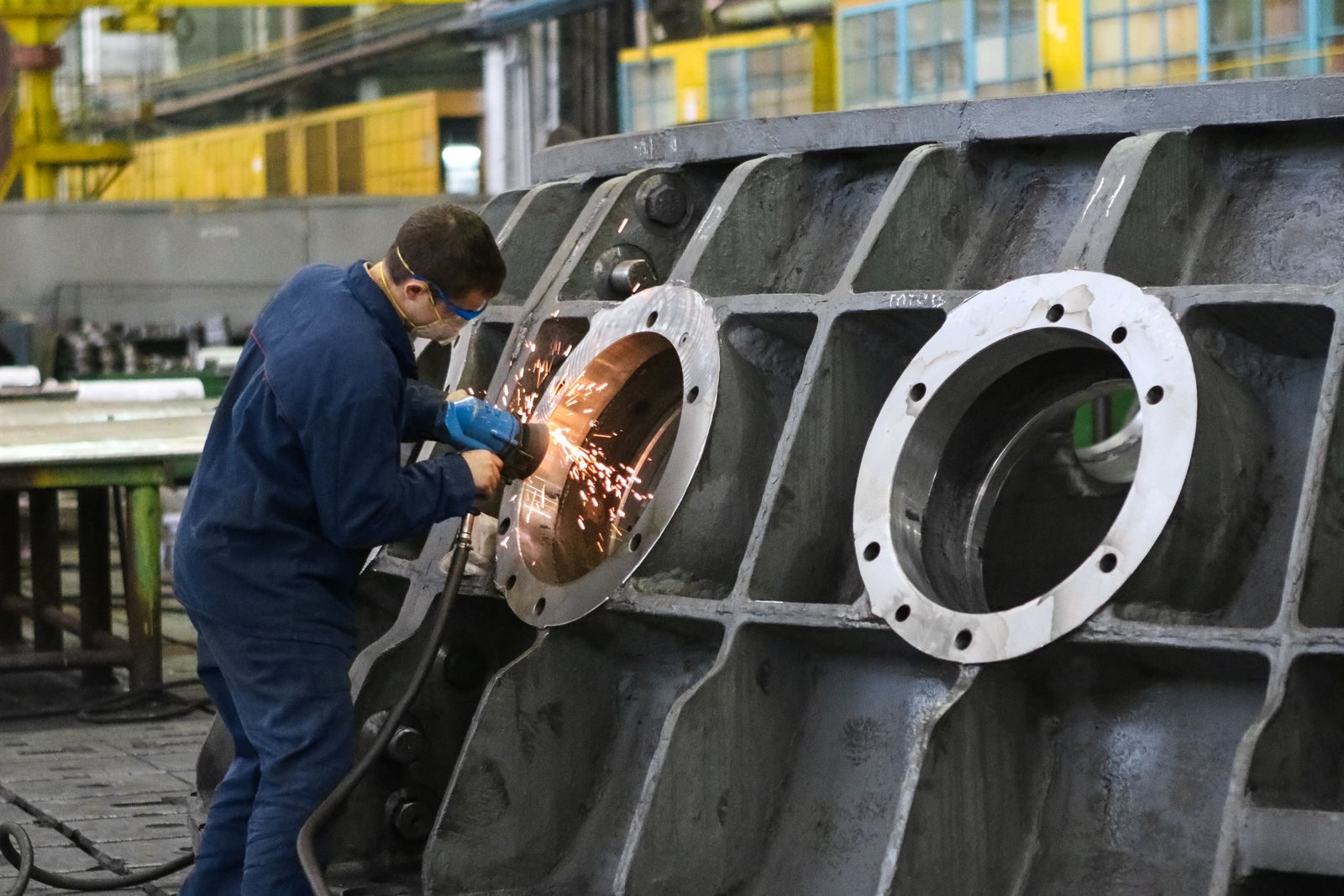
Accounting for manufacture of tubes, pipes, hollow profiles and related fittings, of steel without the stress: how it works
NOGA code 242000 · MANUFACTURING
Accounting for manufacture of tubes, pipes, hollow profiles and related fittings, of steel rests on three pillars: federal law that applies across Switzerland, cantonal deadlines worth knowing, and tools that eliminate re-keying. This guide puts it all in order, fact by fact.
The Swiss legal frame for accounting
AHV audits and VAT audits follow the same logic: start from the documents, trace to the entries, check consistency. A business with a clean audit trail sails through these exercises.
Late books show from the outside: poorly calibrated tax instalments, provisional filings, slow answers to the bank. Staying current is also a matter of image.
Digitalising accounting: what actually works
Accounting digitalisation always follows the same path: capture documents at the source (photo or PDF upload), let automatic recognition extract supplier, amount, date and VAT, approve the proposed entries, then archive each document linked to its entry. Every step removes a re-keying — and therefore an error source.
A dashboard only has value if the data is fresh: automating data entry means, first of all, buying up-to-date information about your own business.
Outsource accounting or keep it in-house?
The scope goes down in writing: who enters data, who approves payments, who answers the tax office, who keeps the originals. Every “we'll see” at the start becomes a December misunderstanding.
Three signals say it is time to delegate more: missed deadlines (VAT, AHV), entries running months behind, or an owner spending evenings on receipts instead of the business. Conversely, an SME equipped with modern software can safely take day-to-day entry back in-house.
A Swiss SME's accounting calendar
The typical annual cycle: monthly or quarterly AHV instalments, VAT returns (quarterly under the effective method, semi-annual under the net tax rate), the final salary declaration in January, closing in the first half-year, then the tax return and the annual VAT reconciliation. Each link depends on the quality of the previous one.
For accounting, deadline discipline is worth real money: default interest on late VAT, AHV adjustments, tax fines. A shared deadline calendar — fed by up-to-date figures — remains the simplest safeguard.
A well-structured SME chart of accounts
Shareholder current accounts demand strict hygiene: every private withdrawal documented, interest at the rates accepted by the tax administration, and a clean-up at closing.
Suspense accounts (to clarify) are useful provided they are emptied monthly: a swelling “miscellaneous” account is the classic symptom of a chart that no longer fits the activity.
Frequently asked questions
What is simplified bookkeeping and who can use it?
Sole proprietorships and partnerships under CHF 500,000 of revenue may limit themselves to recording income, expenses and assets (art. 957 para. 2 CO). Once over the threshold — or upon founding a Sàrl or an SA — full accounts with balance sheet, income statement and notes become mandatory.
Does MyFiducia.ai work for a business anywhere in Switzerland?
Yes: the platform runs online, the rules applied are federal (VAT, CO, AHV), and the file can be shared with any fiduciary. Cantonal specifics (taxes, allowances) are configured in your file.
When must a business register for VAT?
As soon as its worldwide annual turnover reaches CHF 100,000 (CHF 250,000 for non-profit sports or cultural associations). Below that, voluntary registration remains possible and often makes sense to reclaim input VAT on investments.
What is the difference between a limited and an ordinary audit?
The ordinary audit applies to companies exceeding, for two consecutive years, two of three thresholds: CHF 20 million balance sheet total, CHF 40 million revenue, 250 full-time positions. Others fall under the limited audit, and those with no more than ten full-time positions on annual average can opt out with all shareholders' consent.
Professions in the same sector
- Production and preserving of meat (except poultry meat)
- Production and preserving of poultry meat
- Production of meat and poultry meat products
- Processing and preserving of fish, crustaceans and molluscs
- Processing and preserving of potatoes
- Manufacture of fruit and vegetable juice
- Other processing and preserving of fruit and vegetables
- Manufacture of oils and fats
- Manufacture of margarine and similar edible fats
- Manufacture of fresh dairy products
- Manufacture of cheese
- Other milk processing
This guide by municipality
Also worth reading
Switch to accounting that keeps itself up to date
MyFiducia.ai automates accounting for Swiss SMEs: AI-read documents, posting suggestions, VAT and exports ready for your fiduciary. Try the platform or browse our other guides.
The application is operated in French.
Source: NOGA 2008 nomenclature, Swiss Federal Statistical Office (FSO). A statistical nomenclature: it describes an activity and is not a commercial register entry.