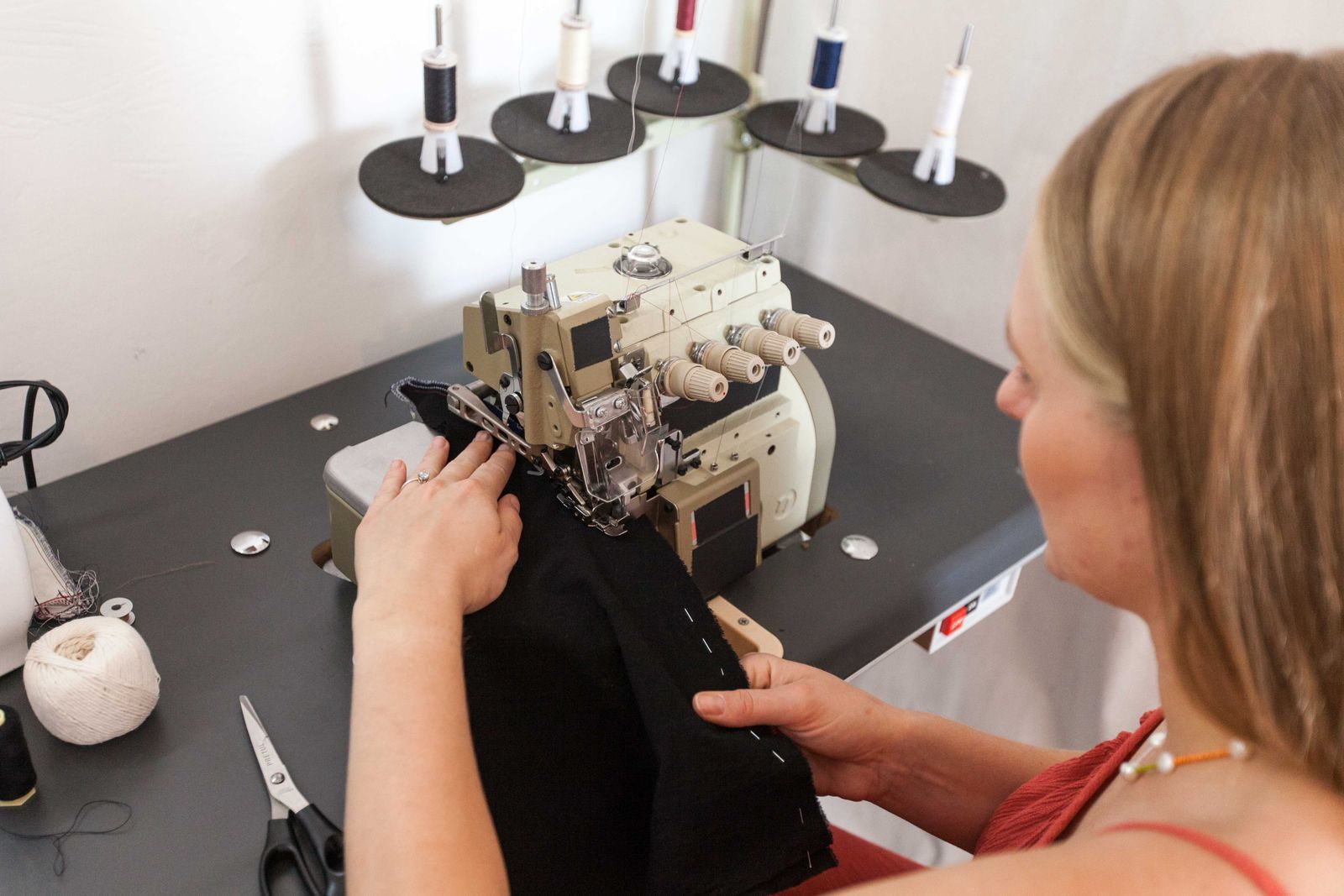
Accounting for manufacture of ladies' and girls' underwear explained simply
NOGA code 141402 · MANUFACTURING
Between VAT, social contributions and the year-end close, a Swiss SME juggles dozens of deadlines a year. This page focuses on accounting: what the law requires, what can be automated, and when to delegate.
The Swiss legal frame for accounting
Responsibility for the books is personal: in an SA, organising the accounting is one of the board's non-transferable duties (art. 716a CO); in a Sàrl, the managing directors carry the same duty. Outsourcing the execution never transfers that underlying responsibility.
Late books show from the outside: poorly calibrated tax instalments, provisional filings, slow answers to the bank. Staying current is also a matter of image.
A well-structured SME chart of accounts
Shareholder current accounts demand strict hygiene: every private withdrawal documented, interest at the rates accepted by the tax administration, and a clean-up at closing.
The chart of accounts is also the hinge to VAT: every revenue account carries its rate (8.1%, 2.6%, 3.8% or exempt), every expense account its input-tax right. Set those attributes once in the tool and every subsequent return becomes reliable.
Digitalising accounting: what actually works
Artificial intelligence has changed the economics of accounting: automatic invoice reading reaches recognition rates that make manual entry marginal, and posting suggestions learn from corrections. The accountant does not disappear — the job shifts from data entry to control and advice.
For accounting, migrating history must not block the start: begin on day one of the current financial year and import the history later if needed.
Outsource accounting or keep it in-house?
Outsourcing accounting to a fiduciary frees up time and secures compliance; keeping it in-house preserves a continuous view and costs less in fees. The best answer is often hybrid: the company captures and digitises as it goes, the fiduciary supervises, closes the books and represents the company before the authorities.
With a shared online platform, collaboration works remotely, documents and entries visible to both sides in real time. The choice widens to all of Switzerland — competence becomes the criterion again, not the postcode.
A Swiss SME's accounting calendar
January: salary declaration to the compensation office and salary certificates. End of February, May, August, November: quarterly VAT returns (effective method), each to be filed and paid within 60 days after the quarter ends. Within six months of year-end: approved annual accounts. Then: the tax return under cantonal deadlines, with extensions possible.
An isolated delay can be caught up; a structural delay is paid in interest, fines and stress. The difference between the two: a system, not good intentions.
Frequently asked questions
How much does accounting cost in Switzerland?
It depends on document volume, the number of salaries and VAT complexity — no serious figure can be quoted without examining the file. Two levers cut the bill everywhere: digitised, well-filed receipts and software that prepares entries instead of having them re-keyed.
Which social contributions does a Swiss employer pay?
AHV/IV/APG: 5.3% employer share (the same is withheld from the employee); unemployment insurance: 1.1% each up to CHF 148,200 a year; occupational pension (LPP) by age and plan (employer at least 50%); occupational accident insurance paid by the employer; family allowances by canton.
When is entry in the commercial register mandatory?
A Sàrl and an SA only come into existence with their registration. A sole proprietorship must register from CHF 100,000 of annual revenue; below that, registration stays voluntary but adds credibility and protects the business name.
Can accounting be automated with AI?
Largely, yes: automatic document reading, posting suggestions, bank reconciliation via QR references and VAT exports. Human approval remains essential — AI prepares, the professional checks. That is exactly how MyFiducia.ai approaches accounting.
Professions in the same sector
- Production and preserving of meat (except poultry meat)
- Production and preserving of poultry meat
- Production of meat and poultry meat products
- Processing and preserving of fish, crustaceans and molluscs
- Processing and preserving of potatoes
- Manufacture of fruit and vegetable juice
- Other processing and preserving of fruit and vegetables
- Manufacture of oils and fats
- Manufacture of margarine and similar edible fats
- Manufacture of fresh dairy products
- Manufacture of cheese
- Other milk processing
This guide by municipality
Also worth reading
Switch to accounting that keeps itself up to date
MyFiducia.ai automates accounting for Swiss SMEs: AI-read documents, posting suggestions, VAT and exports ready for your fiduciary. Try the platform or browse our other guides.
The application is operated in French.
Source: NOGA 2008 nomenclature, Swiss Federal Statistical Office (FSO). A statistical nomenclature: it describes an activity and is not a commercial register entry.