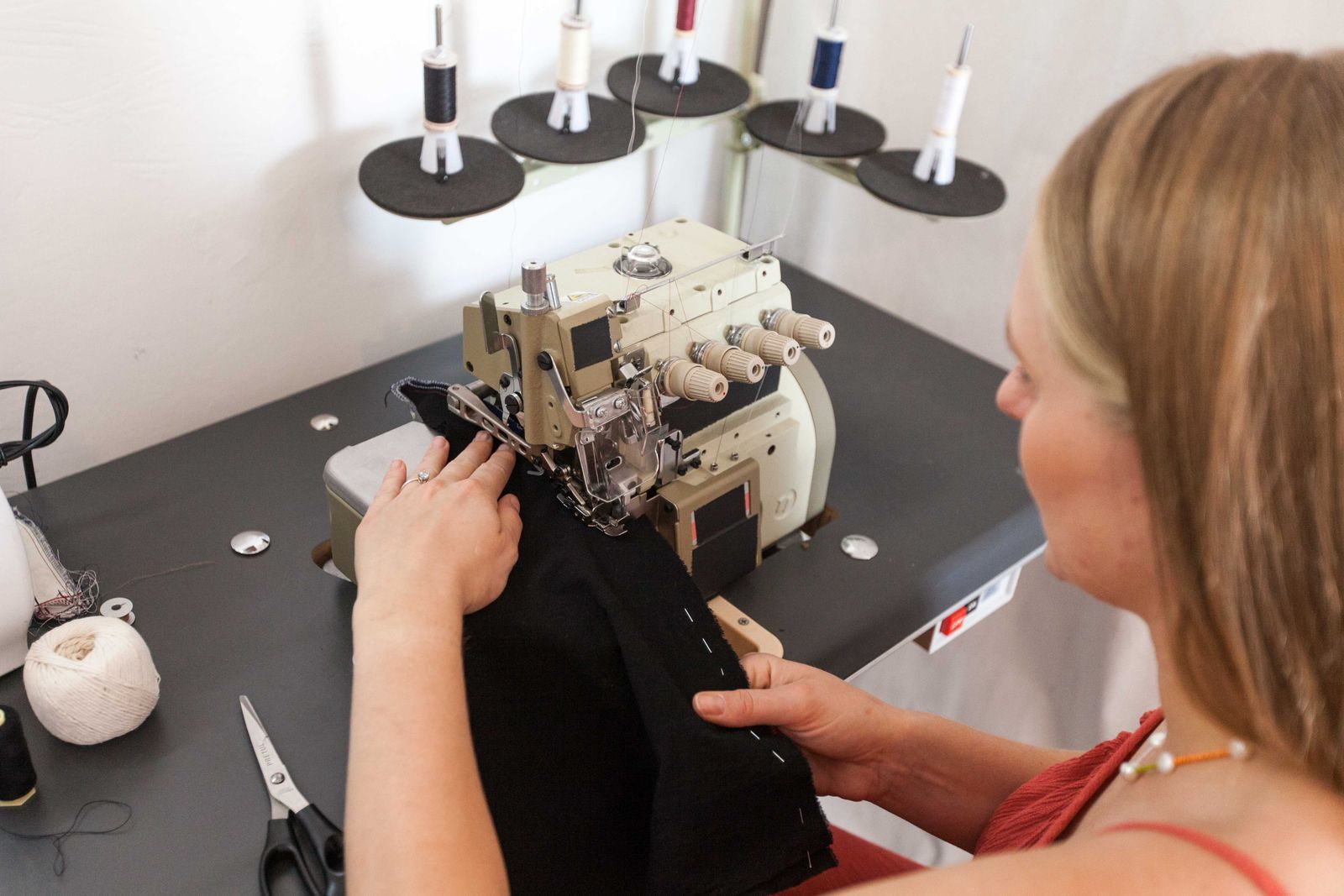
Accounting for manufacture of men's and boys' outerwear without the stress: how it works
NOGA code 141301 · MANUFACTURING
Delegate, digitalise or do it all yourself? Around accounting, every SME draws its own line. The reference points below — federal law, cantonal practice and lessons from the field — help you place the cursor well.
The Swiss legal frame for accounting
The question is never “do we need accounts?” but “at what level of detail?”. The CO sets the floor; the bank, the tax office and the shareholders set the rest.
The annual accounts (art. 958 CO) consist of the balance sheet, the income statement and the notes; they must be drawn up within six months of the year-end so the general meeting can approve them. A delay here cascades into the tax return and the final social insurance settlements.
A Swiss SME's accounting calendar
An accounting calendar only lives if it is shared: owner, in-house bookkeeper and fiduciary must see the same deadlines and the same status.
An SME that holds its calendar twelve months straight changes its position: fewer official reminders, easier extensions — and accounting stops being a source of worry.
A well-structured SME chart of accounts
The same chart serves three readings: accounting (accuracy), tax (accepted adjustments) and management (margins by activity). Modern software produces all three views without double entry.
Suspense accounts (to clarify) are useful provided they are emptied monthly: a swelling “miscellaneous” account is the classic symptom of a chart that no longer fits the activity.
Digitalising accounting: what actually works
Automation is judged on the exceptions: what happens when the document is unreadable, the supplier unknown, the amount divergent? A good tool isolates those cases and lets a human decide fast.
A dashboard only has value if the data is fresh: automating data entry means, first of all, buying up-to-date information about your own business.
Outsource accounting or keep it in-house?
A fiduciary's cost depends first on the quality of the data received: digitised, filed, reconciled documents are processed fast; a box of loose receipts is billed by the hour. Improving the internal preparation of accounting lowers fees more surely than any negotiation.
You can combine the models: internal day-to-day entry, monthly external supervision, closing and taxes with the specialist — accounting splits very well.
Frequently asked questions
Effective VAT method or net tax rate: how to choose?
The effective method deducts actual input VAT and files quarterly; the net tax rate method applies a flat industry rate to turnover, semi-annually, with no separate input VAT deduction. The flat rate suits low-cost structures; as investments grow, the effective method usually wins again.
Which documents should be prepared for the year-end closing?
Bank and cash statements at the closing date, the inventory of stock and work in progress, final AHV/LPP/accident settlements, contracts signed or amended during the year, invoices straddling two years and the detail of accruals. With an up-to-date document archive, most of it is already there.
Can accounting be automated with AI?
Largely, yes: automatic document reading, posting suggestions, bank reconciliation via QR references and VAT exports. Human approval remains essential — AI prepares, the professional checks. That is exactly how MyFiducia.ai approaches accounting.
When is entry in the commercial register mandatory?
A Sàrl and an SA only come into existence with their registration. A sole proprietorship must register from CHF 100,000 of annual revenue; below that, registration stays voluntary but adds credibility and protects the business name.
Professions in the same sector
- Production and preserving of meat (except poultry meat)
- Production and preserving of poultry meat
- Production of meat and poultry meat products
- Processing and preserving of fish, crustaceans and molluscs
- Processing and preserving of potatoes
- Manufacture of fruit and vegetable juice
- Other processing and preserving of fruit and vegetables
- Manufacture of oils and fats
- Manufacture of margarine and similar edible fats
- Manufacture of fresh dairy products
- Manufacture of cheese
- Other milk processing
This guide by municipality
Also worth reading
Switch to accounting that keeps itself up to date
MyFiducia.ai automates accounting for Swiss SMEs: AI-read documents, posting suggestions, VAT and exports ready for your fiduciary. Try the platform or browse our other guides.
The application is operated in French.
Source: NOGA 2008 nomenclature, Swiss Federal Statistical Office (FSO). A statistical nomenclature: it describes an activity and is not a commercial register entry.