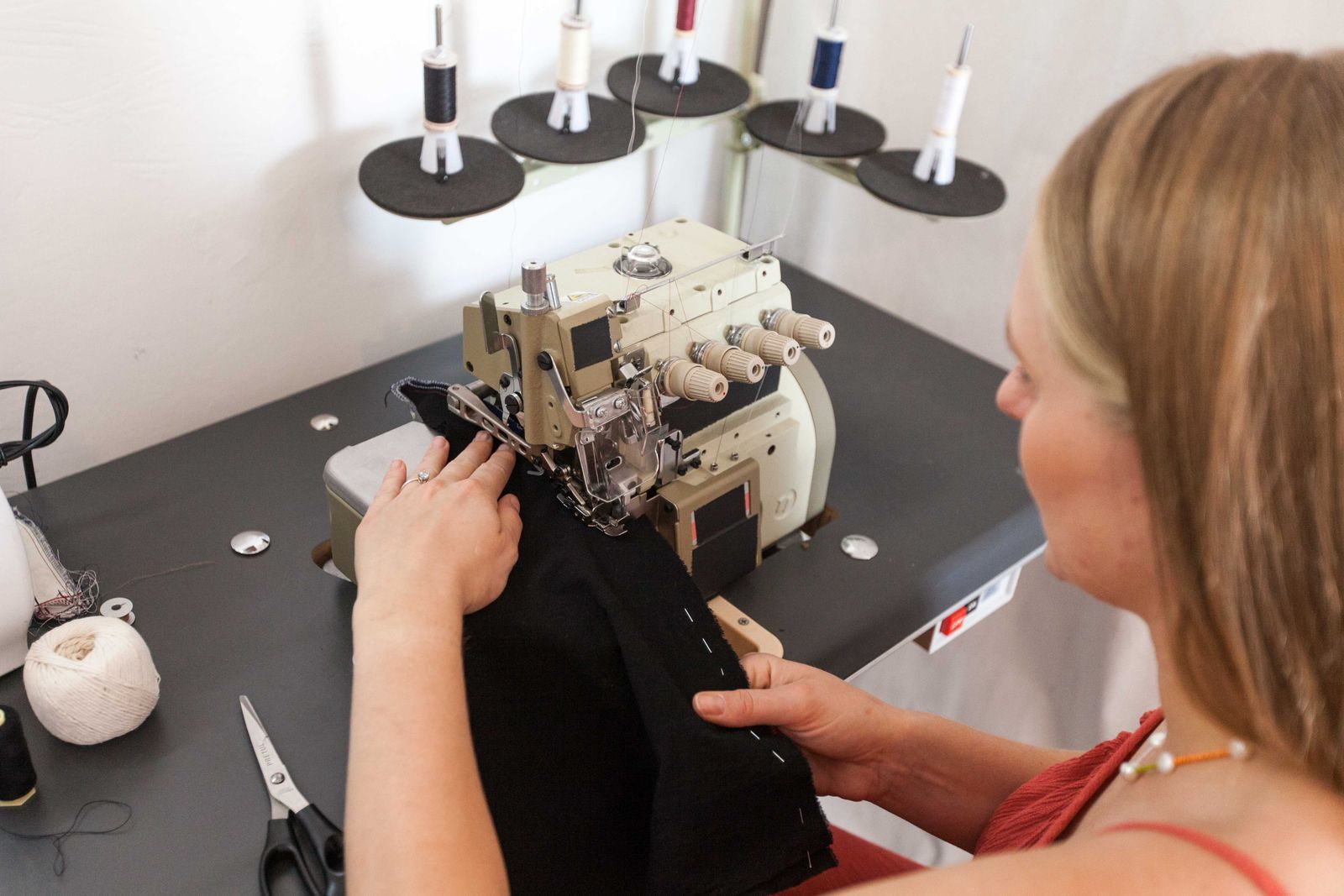
Accounting for manufacture of leather clothes in Switzerland: the practical guide
NOGA code 141100 · MANUFACTURING
Whether you run a Sàrl, an SA or a sole proprietorship, accounting eventually lands on your desk. Here are the practical reference points — legal basis, deadlines and common pitfalls — to decide with a clear head.
The Swiss legal frame for accounting
Swiss accounting law has been unified in the Code of Obligations since 2013: the same bookkeeping rules (art. 957a CO) and retention rules (art. 958f CO — 10 years for books, vouchers and reports) apply regardless of legal form. Accounting sits squarely within this frame.
For accounting, the classic early mistake remains mixing private and business: a dedicated bank account and documented private withdrawals eliminate half the discussions with the tax office.
Digitalising accounting: what actually works
Security is part of digitalisation: named access, tested backups, encryption of sensitive data. A digital accounting file is protected like a safe — because it is one.
The real gain of digitalised accounting shows day to day: no paper pile at month-end, VAT prepared continuously, and an owner reading today's figures rather than last quarter's.
Outsource accounting or keep it in-house?
The scope goes down in writing: who enters data, who approves payments, who answers the tax office, who keeps the originals. Every “we'll see” at the start becomes a December misunderstanding.
A clear mandate agreement states who does what by when: document handover, posting deadlines, filing calendar, and responsibility for delays. A shared platform (same data, same document archive) between the company and its fiduciary eliminates binder ping-pong and duplicate entry.
A Swiss SME's accounting calendar
The typical annual cycle: monthly or quarterly AHV instalments, VAT returns (quarterly under the effective method, semi-annual under the net tax rate), the final salary declaration in January, closing in the first half-year, then the tax return and the annual VAT reconciliation. Each link depends on the quality of the previous one.
Delays rarely come alone: neglected bookkeeping postpones the closing, hence the tax return, hence the recalculated instalments — and the business flies blind for months. Keeping the books current as you go is the only sustainable way to hold every cascading deadline.
A well-structured SME chart of accounts
Shareholder current accounts demand strict hygiene: every private withdrawal documented, interest at the rates accepted by the tax administration, and a clean-up at closing.
Suspense accounts (to clarify) are useful provided they are emptied monthly: a swelling “miscellaneous” account is the classic symptom of a chart that no longer fits the activity.
Frequently asked questions
How much does accounting cost in Switzerland?
It depends on document volume, the number of salaries and VAT complexity — no serious figure can be quoted without examining the file. Two levers cut the bill everywhere: digitised, well-filed receipts and software that prepares entries instead of having them re-keyed.
What are the current Swiss VAT rates?
Since 1 January 2024: 8.1% (standard), 2.6% (reduced — for example food and medicines) and 3.8% (accommodation). Returns must be filed and paid within 60 days after the period ends (quarterly under the effective method, semi-annually under the net tax rate method).
Effective VAT method or net tax rate: how to choose?
The effective method deducts actual input VAT and files quarterly; the net tax rate method applies a flat industry rate to turnover, semi-annually, with no separate input VAT deduction. The flat rate suits low-cost structures; as investments grow, the effective method usually wins again.
What is the difference between a limited and an ordinary audit?
The ordinary audit applies to companies exceeding, for two consecutive years, two of three thresholds: CHF 20 million balance sheet total, CHF 40 million revenue, 250 full-time positions. Others fall under the limited audit, and those with no more than ten full-time positions on annual average can opt out with all shareholders' consent.
Professions in the same sector
- Production and preserving of meat (except poultry meat)
- Production and preserving of poultry meat
- Production of meat and poultry meat products
- Processing and preserving of fish, crustaceans and molluscs
- Processing and preserving of potatoes
- Manufacture of fruit and vegetable juice
- Other processing and preserving of fruit and vegetables
- Manufacture of oils and fats
- Manufacture of margarine and similar edible fats
- Manufacture of fresh dairy products
- Manufacture of cheese
- Other milk processing
This guide by municipality
Also worth reading
Switch to accounting that keeps itself up to date
MyFiducia.ai automates accounting for Swiss SMEs: AI-read documents, posting suggestions, VAT and exports ready for your fiduciary. Try the platform or browse our other guides.
The application is operated in French.
Source: NOGA 2008 nomenclature, Swiss Federal Statistical Office (FSO). A statistical nomenclature: it describes an activity and is not a commercial register entry.