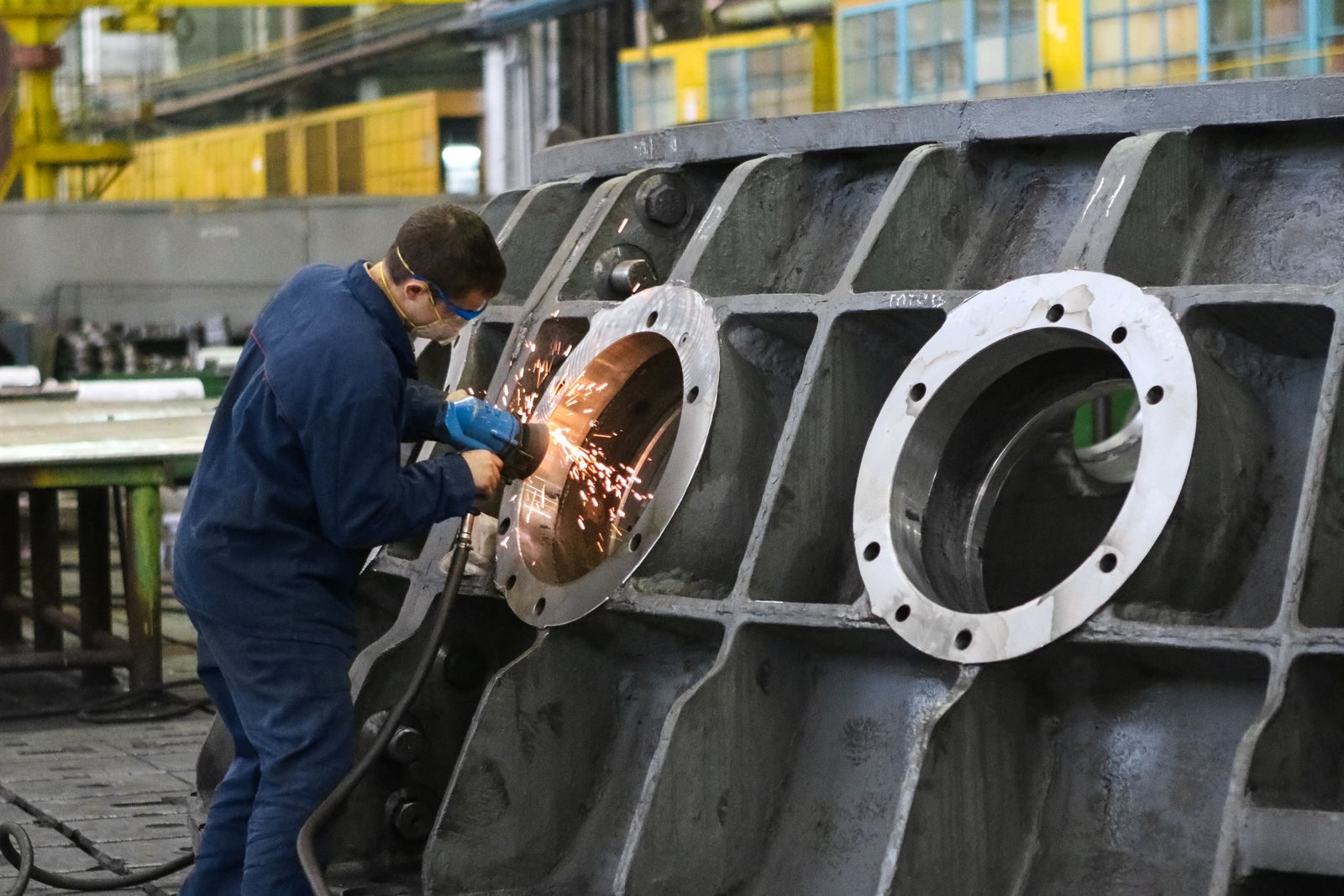
Everything that matters about accounting for casting of steel
NOGA code 245200 · MANUFACTURING
Swiss accounting law (art. 957 ff. of the Code of Obligations) sets a precise frame, yet day-to-day practice often stays fuzzy. This guide walks through what actually matters for a business based in Switzerland.
The Swiss legal frame for accounting
Three documents summarise the health of a Swiss business: the balance sheet (what it owns), the income statement (what it earns) and the notes (what else you should know). All the work of accounting converges on those three pages.
The annual accounts (art. 958 CO) consist of the balance sheet, the income statement and the notes; they must be drawn up within six months of the year-end so the general meeting can approve them. A delay here cascades into the tax return and the final social insurance settlements.
A well-structured SME chart of accounts
A chart of accounts gets documented: one description line per account (what, when, VAT) is enough for two people to post the same way. It is the quality manual of accounting.
For accounting, a few well-chosen analytical accounts (by activity, by site) beat a forest of sub-accounts nobody ever reads.
Digitalising accounting: what actually works
A serious accounting document archive links every record to its entry, timestamps versions and logs access — exactly what Swiss bookkeeping regulation expects from probative electronic retention. Chronological filing by financial year becomes an automatic by-product.
A dashboard only has value if the data is fresh: automating data entry means, first of all, buying up-to-date information about your own business.
Outsource accounting or keep it in-house?
Splitting roles clearly avoids duplication: the company captures documents and approves payments; the fiduciary checks postings, closes the year and defends the file before the authorities. Each side does what it does best — and nobody keys the same invoice twice.
Changing fiduciary is not a drama: the accounting data belongs to the company, and a clean export (entries, chart of accounts, linked documents) allows a transition at year-end. A provider who locks in a client's data says a lot about how it works.
A Swiss SME's accounting calendar
Tax instalments are steered: too low, they set up a salty final bill; too high, they tie up cash. Adjusting them on current figures is a profitable reflex.
An isolated delay can be caught up; a structural delay is paid in interest, fines and stress. The difference between the two: a system, not good intentions.
Frequently asked questions
Which documents should be prepared for the year-end closing?
Bank and cash statements at the closing date, the inventory of stock and work in progress, final AHV/LPP/accident settlements, contracts signed or amended during the year, invoices straddling two years and the detail of accruals. With an up-to-date document archive, most of it is already there.
Can accounting be automated with AI?
Largely, yes: automatic document reading, posting suggestions, bank reconciliation via QR references and VAT exports. Human approval remains essential — AI prepares, the professional checks. That is exactly how MyFiducia.ai approaches accounting.
How long must records related to accounting be kept?
Ten years from the end of the financial year concerned (art. 958f CO). Electronic retention is permitted if the integrity and readability of the records are guaranteed — a serious digital archive validly replaces paper binders.
What are the current Swiss VAT rates?
Since 1 January 2024: 8.1% (standard), 2.6% (reduced — for example food and medicines) and 3.8% (accommodation). Returns must be filed and paid within 60 days after the period ends (quarterly under the effective method, semi-annually under the net tax rate method).
Professions in the same sector
- Production and preserving of meat (except poultry meat)
- Production and preserving of poultry meat
- Production of meat and poultry meat products
- Processing and preserving of fish, crustaceans and molluscs
- Processing and preserving of potatoes
- Manufacture of fruit and vegetable juice
- Other processing and preserving of fruit and vegetables
- Manufacture of oils and fats
- Manufacture of margarine and similar edible fats
- Manufacture of fresh dairy products
- Manufacture of cheese
- Other milk processing
This guide by municipality
Also worth reading
Switch to accounting that keeps itself up to date
MyFiducia.ai automates accounting for Swiss SMEs: AI-read documents, posting suggestions, VAT and exports ready for your fiduciary. Try the platform or browse our other guides.
The application is operated in French.
Source: NOGA 2008 nomenclature, Swiss Federal Statistical Office (FSO). A statistical nomenclature: it describes an activity and is not a commercial register entry.