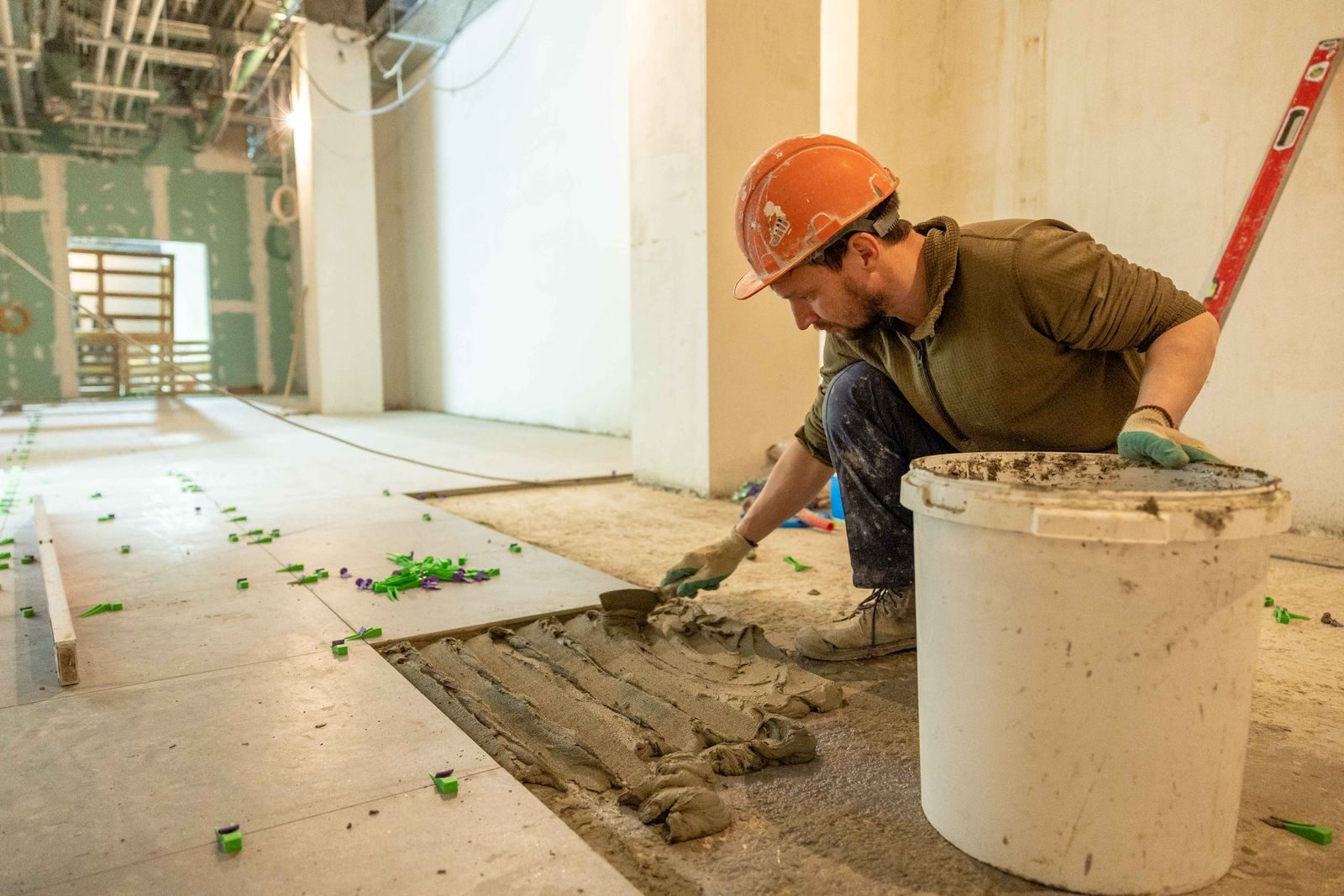
Accounting for sanitary installation and plumbing: rules, deadlines, best practice
NOGA code 432202 · CONSTRUCTION
Accounting for sanitary installation and plumbing rests on three pillars: federal law that applies across Switzerland, cantonal deadlines worth knowing, and tools that eliminate re-keying. This guide puts it all in order, fact by fact.
The Swiss legal frame for accounting
Swiss accounting law has been unified in the Code of Obligations since 2013: the same bookkeeping rules (art. 957a CO) and retention rules (art. 958f CO — 10 years for books, vouchers and reports) apply regardless of legal form. Accounting sits squarely within this frame.
Art. 957a CO requires complete, truthful and systematic recording of transactions, each entry backed by a supporting document. For accounting, that means in practice: no movement without a receipt, and an audit trail that can be reconstructed at any time — including during a VAT or AHV inspection.
Outsource accounting or keep it in-house?
Outsourcing does not exempt you from understanding: an owner who can read the balance sheet and the income statement challenges the fiduciary better — and pays for advice, not re-keying.
As everywhere, the right collaboration rhythm follows the activity: monthly for payroll and data entry, quarterly for VAT, yearly for the closing and tax advice.
A Swiss SME's accounting calendar
The professionals' trick: handle every deadline at D-30, not D-1. A VAT return prepared a month early leaves time to chase a missing document without penalty.
An SME that holds its calendar twelve months straight changes its position: fewer official reminders, easier extensions — and accounting stops being a source of worry.
A well-structured SME chart of accounts
The test of a good chart of accounts is a single question: can the owner find the margins in three clicks? If not, the chart serves the tax office but not the business.
For accounting, a few well-chosen analytical accounts (by activity, by site) beat a forest of sub-accounts nobody ever reads.
Digitalising accounting: what actually works
A serious accounting document archive links every record to its entry, timestamps versions and logs access — exactly what Swiss bookkeeping regulation expects from probative electronic retention. Chronological filing by financial year becomes an automatic by-product.
A dashboard only has value if the data is fresh: automating data entry means, first of all, buying up-to-date information about your own business.
Frequently asked questions
Do you need a fiduciary for accounting, or can you do it yourself?
Both are defensible. Below CHF 500,000 of revenue, a sole proprietorship may keep simplified accounts itself. As soon as payroll, VAT and a closing with tax stakes are involved, professional support prevents mistakes that cost more than the fees.
Which social contributions does a Swiss employer pay?
AHV/IV/APG: 5.3% employer share (the same is withheld from the employee); unemployment insurance: 1.1% each up to CHF 148,200 a year; occupational pension (LPP) by age and plan (employer at least 50%); occupational accident insurance paid by the employer; family allowances by canton.
Does MyFiducia.ai work for a business anywhere in Switzerland?
Yes: the platform runs online, the rules applied are federal (VAT, CO, AHV), and the file can be shared with any fiduciary. Cantonal specifics (taxes, allowances) are configured in your file.
What is simplified bookkeeping and who can use it?
Sole proprietorships and partnerships under CHF 500,000 of revenue may limit themselves to recording income, expenses and assets (art. 957 para. 2 CO). Once over the threshold — or upon founding a Sàrl or an SA — full accounts with balance sheet, income statement and notes become mandatory.
Professions in the same sector
- Development of building projects
- General construction of buildings
- General contractor work in building construction
- General building construction and civil engineering works n.e.c.
- Building maintenance and repair work
- Construction of roads and motorways
- Construction of railways and underground railways
- Construction of bridges and tunnels
- Construction of utility projects for fluids
- Construction of utility projects for electricity and telecommunications
- Construction of water projects
- Construction of other civil engineering projects n.e.c.
This guide by municipality
Also worth reading
Switch to accounting that keeps itself up to date
MyFiducia.ai automates accounting for Swiss SMEs: AI-read documents, posting suggestions, VAT and exports ready for your fiduciary. Try the platform or browse our other guides.
The application is operated in French.
Source: NOGA 2008 nomenclature, Swiss Federal Statistical Office (FSO). A statistical nomenclature: it describes an activity and is not a commercial register entry.