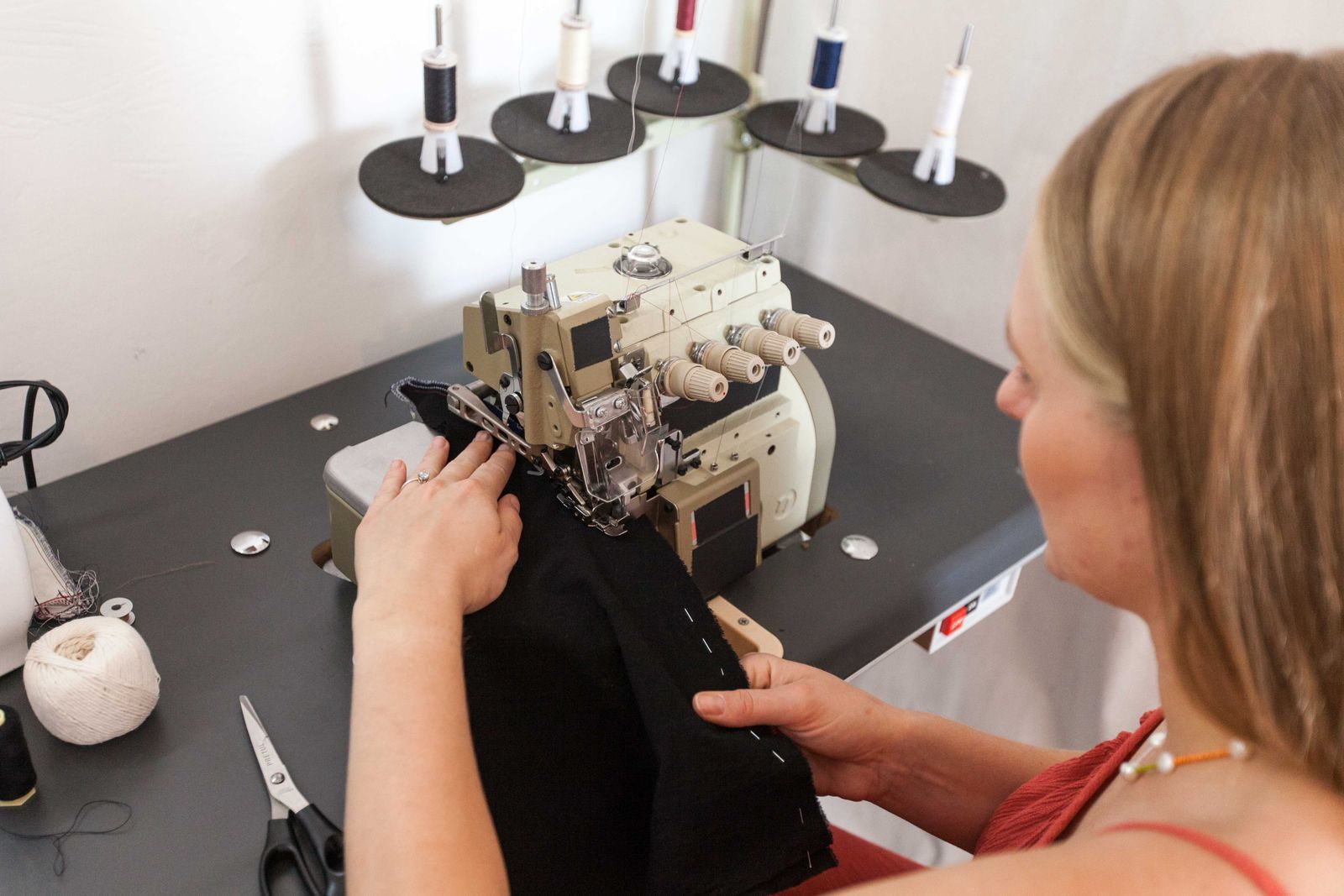
Accounting for preparation and spinning of woollen- and worsted-type fibres without the stress: how it works
NOGA code 131002 · MANUFACTURING
Swiss accounting law (art. 957 ff. of the Code of Obligations) sets a precise frame, yet day-to-day practice often stays fuzzy. This guide walks through what actually matters for a business based in Switzerland.
The Swiss legal frame for accounting
The question is never “do we need accounts?” but “at what level of detail?”. The CO sets the floor; the bank, the tax office and the shareholders set the rest.
The annual accounts (art. 958 CO) consist of the balance sheet, the income statement and the notes; they must be drawn up within six months of the year-end so the general meeting can approve them. A delay here cascades into the tax return and the final social insurance settlements.
Outsource accounting or keep it in-house?
A good test before choosing: ask the fiduciary HOW it wants to receive the documents. A precise answer (formats, frequency, platform) says more than any brochure.
Three signals say it is time to delegate more: missed deadlines (VAT, AHV), entries running months behind, or an owner spending evenings on receipts instead of the business. Conversely, an SME equipped with modern software can safely take day-to-day entry back in-house.
A Swiss SME's accounting calendar
An accounting calendar only lives if it is shared: owner, in-house bookkeeper and fiduciary must see the same deadlines and the same status.
For accounting, two dates lock themselves in every year: the January salary declaration and the general meeting within six months — everything else is planned around them.
A well-structured SME chart of accounts
Nearly all Swiss SMEs rely on the standard SME chart of accounts (Sterchi/Käfer): classes 1 (assets) to 9 (closing), with revenue in class 3 and expenses in classes 4 to 6. Using this standard structure makes conversations with your fiduciary, auditor and tax administration far easier.
Suspense accounts (to clarify) are useful provided they are emptied monthly: a swelling “miscellaneous” account is the classic symptom of a chart that no longer fits the activity.
Digitalising accounting: what actually works
Automation is judged on the exceptions: what happens when the document is unreadable, the supplier unknown, the amount divergent? A good tool isolates those cases and lets a human decide fast.
The winning pair for accounting: a single inbox (e-mail, scan, photo) and one simple rule — no document sits more than a few days without a proposed entry.
Frequently asked questions
Does MyFiducia.ai work for a business anywhere in Switzerland?
Yes: the platform runs online, the rules applied are federal (VAT, CO, AHV), and the file can be shared with any fiduciary. Cantonal specifics (taxes, allowances) are configured in your file.
What are the legal obligations for accounting in Switzerland?
The foundation is the Code of Obligations: proper bookkeeping (art. 957a CO), annual accounts (balance sheet, income statement, notes) and 10-year retention of books and records (art. 958f CO). VAT applies from CHF 100,000 of turnover, and social insurance settlements from the first employee.
How much does accounting cost in Switzerland?
It depends on document volume, the number of salaries and VAT complexity — no serious figure can be quoted without examining the file. Two levers cut the bill everywhere: digitised, well-filed receipts and software that prepares entries instead of having them re-keyed.
When is entry in the commercial register mandatory?
A Sàrl and an SA only come into existence with their registration. A sole proprietorship must register from CHF 100,000 of annual revenue; below that, registration stays voluntary but adds credibility and protects the business name.
Professions in the same sector
- Production and preserving of meat (except poultry meat)
- Production and preserving of poultry meat
- Production of meat and poultry meat products
- Processing and preserving of fish, crustaceans and molluscs
- Processing and preserving of potatoes
- Manufacture of fruit and vegetable juice
- Other processing and preserving of fruit and vegetables
- Manufacture of oils and fats
- Manufacture of margarine and similar edible fats
- Manufacture of fresh dairy products
- Manufacture of cheese
- Other milk processing
This guide by municipality
Also worth reading
Switch to accounting that keeps itself up to date
MyFiducia.ai automates accounting for Swiss SMEs: AI-read documents, posting suggestions, VAT and exports ready for your fiduciary. Try the platform or browse our other guides.
The application is operated in French.
Source: NOGA 2008 nomenclature, Swiss Federal Statistical Office (FSO). A statistical nomenclature: it describes an activity and is not a commercial register entry.