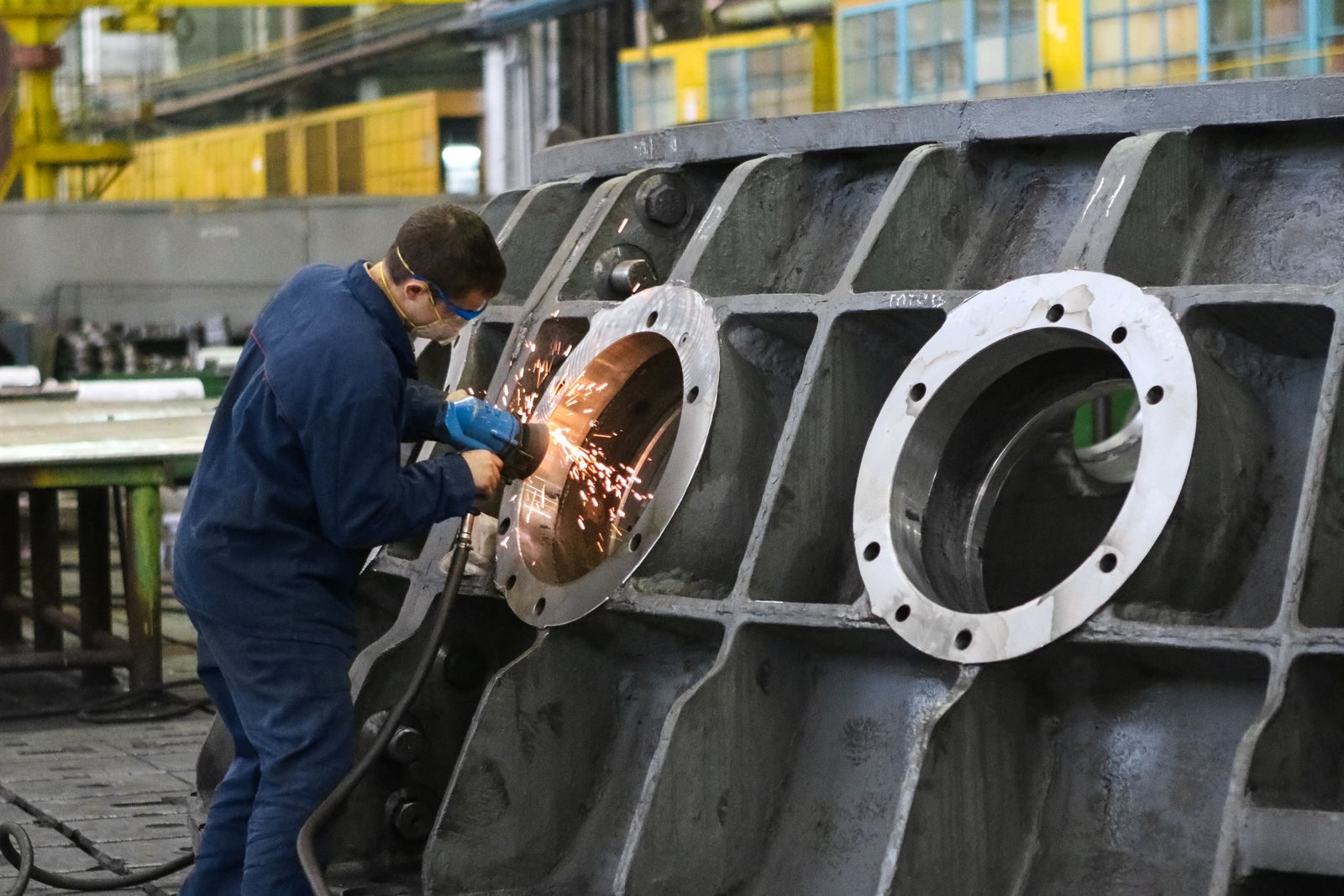
Accounting for repair and maintenance of other transport equipment without the stress: how it works
NOGA code 331700 · MANUFACTURING
Delegate, digitalise or do it all yourself? Around accounting, every SME draws its own line. The reference points below — federal law, cantonal practice and lessons from the field — help you place the cursor well.
The Swiss legal frame for accounting
Swiss accounting law has been unified in the Code of Obligations since 2013: the same bookkeeping rules (art. 957a CO) and retention rules (art. 958f CO — 10 years for books, vouchers and reports) apply regardless of legal form. Accounting sits squarely within this frame.
One simple principle drives accounting: every franc in or out must be explainable by a document, an entry and an account. All of Swiss accounting law fits inside that traceability requirement.
Digitalising accounting: what actually works
Digitising does not mean hoarding PDFs: without the document-entry link, a digital file is as opaque as a box of archives.
Electronic archiving is fully recognised: Swiss bookkeeping regulation admits electronic retention of records provided integrity and readability are guaranteed for the 10 years of art. 958f CO. A paper binder is no longer an obligation — provided the archiving system is serious.
Outsource accounting or keep it in-house?
Splitting roles clearly avoids duplication: the company captures documents and approves payments; the fiduciary checks postings, closes the year and defends the file before the authorities. Each side does what it does best — and nobody keys the same invoice twice.
As everywhere, the right collaboration rhythm follows the activity: monthly for payroll and data entry, quarterly for VAT, yearly for the closing and tax advice.
A Swiss SME's accounting calendar
Tax instalments are steered: too low, they set up a salty final bill; too high, they tie up cash. Adjusting them on current figures is a profitable reflex.
Handing deadline monitoring to a tool is no luxury: automatic reminders, a status per obligation, and an “all green” view that clears the mind. What matters is not who ticks the box — but that the box exists and everyone can see it.
A well-structured SME chart of accounts
The same chart serves three readings: accounting (accuracy), tax (accepted adjustments) and management (margins by activity). Modern software produces all three views without double entry.
The chart of accounts is also the hinge to VAT: every revenue account carries its rate (8.1%, 2.6%, 3.8% or exempt), every expense account its input-tax right. Set those attributes once in the tool and every subsequent return becomes reliable.
Frequently asked questions
Which documents should be prepared for the year-end closing?
Bank and cash statements at the closing date, the inventory of stock and work in progress, final AHV/LPP/accident settlements, contracts signed or amended during the year, invoices straddling two years and the detail of accruals. With an up-to-date document archive, most of it is already there.
When is entry in the commercial register mandatory?
A Sàrl and an SA only come into existence with their registration. A sole proprietorship must register from CHF 100,000 of annual revenue; below that, registration stays voluntary but adds credibility and protects the business name.
What are the current Swiss VAT rates?
Since 1 January 2024: 8.1% (standard), 2.6% (reduced — for example food and medicines) and 3.8% (accommodation). Returns must be filed and paid within 60 days after the period ends (quarterly under the effective method, semi-annually under the net tax rate method).
When must a business register for VAT?
As soon as its worldwide annual turnover reaches CHF 100,000 (CHF 250,000 for non-profit sports or cultural associations). Below that, voluntary registration remains possible and often makes sense to reclaim input VAT on investments.
Professions in the same sector
- Production and preserving of meat (except poultry meat)
- Production and preserving of poultry meat
- Production of meat and poultry meat products
- Processing and preserving of fish, crustaceans and molluscs
- Processing and preserving of potatoes
- Manufacture of fruit and vegetable juice
- Other processing and preserving of fruit and vegetables
- Manufacture of oils and fats
- Manufacture of margarine and similar edible fats
- Manufacture of fresh dairy products
- Manufacture of cheese
- Other milk processing
This guide by municipality
Also worth reading
Switch to accounting that keeps itself up to date
MyFiducia.ai automates accounting for Swiss SMEs: AI-read documents, posting suggestions, VAT and exports ready for your fiduciary. Try the platform or browse our other guides.
The application is operated in French.
Source: NOGA 2008 nomenclature, Swiss Federal Statistical Office (FSO). A statistical nomenclature: it describes an activity and is not a commercial register entry.