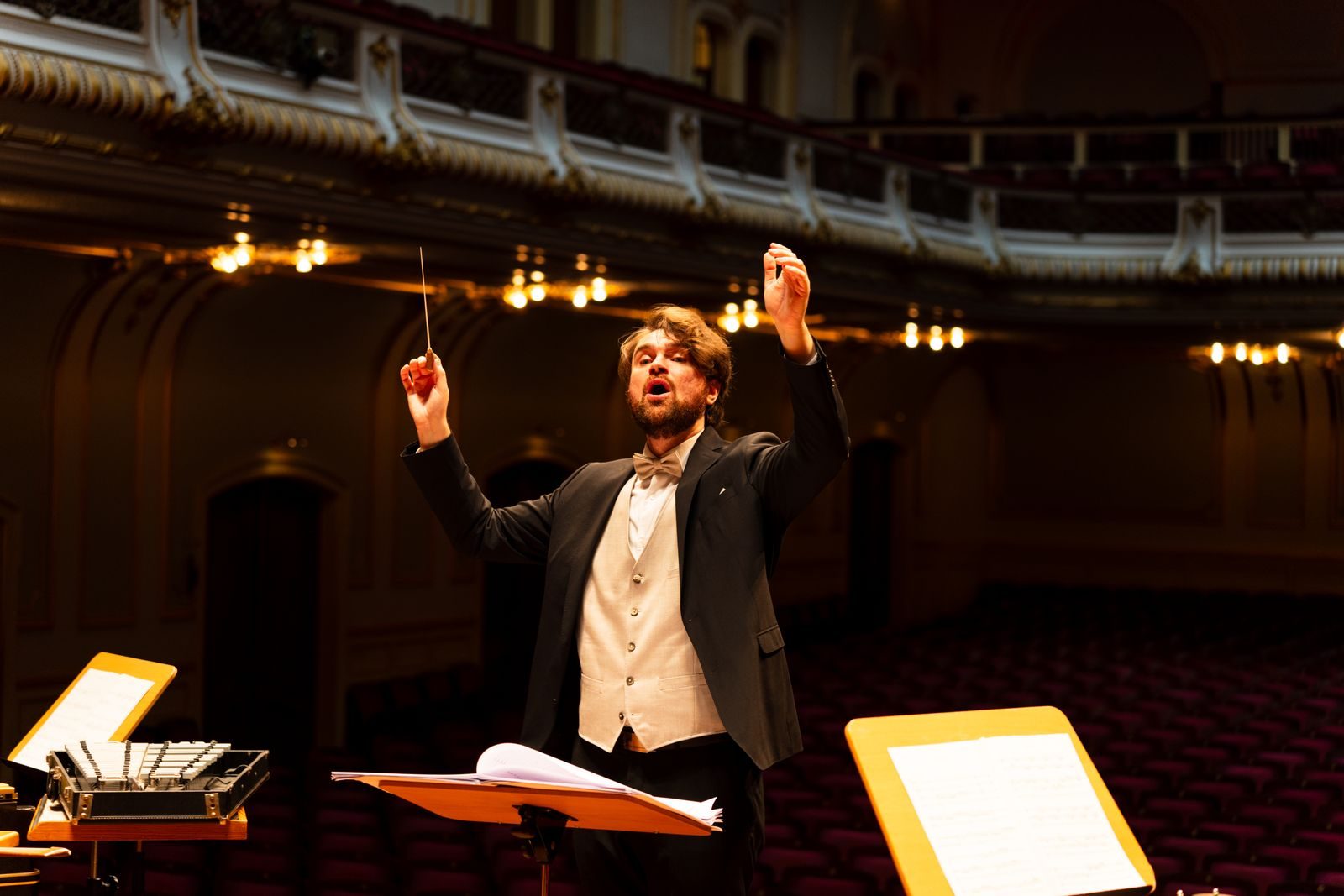
Accounting for orchestras, choirs, musicians in Switzerland: the practical guide
NOGA code 900102 · ARTS, ENTERTAINMENT AND RECREATION
Accounting for orchestras, choirs, musicians raises the same questions for most Swiss SME owners: which obligations apply, which deadlines are running, which documents to prepare. This page covers the federal rules in force — without unnecessary jargon.
The Swiss legal frame for accounting
AHV audits and VAT audits follow the same logic: start from the documents, trace to the entries, check consistency. A business with a clean audit trail sails through these exercises.
The annual accounts (art. 958 CO) consist of the balance sheet, the income statement and the notes; they must be drawn up within six months of the year-end so the general meeting can approve them. A delay here cascades into the tax return and the final social insurance settlements.
Digitalising accounting: what actually works
Security is part of digitalisation: named access, tested backups, encryption of sensitive data. A digital accounting file is protected like a safe — because it is one.
The real gain of digitalised accounting shows day to day: no paper pile at month-end, VAT prepared continuously, and an owner reading today's figures rather than last quarter's.
Outsource accounting or keep it in-house?
Splitting roles clearly avoids duplication: the company captures documents and approves payments; the fiduciary checks postings, closes the year and defends the file before the authorities. Each side does what it does best — and nobody keys the same invoice twice.
You can combine the models: internal day-to-day entry, monthly external supervision, closing and taxes with the specialist — accounting splits very well.
A Swiss SME's accounting calendar
Three families of deadlines shape the year: federal (VAT within 60 days, salary declaration in January), cantonal (tax return, extensions depending on the canton) and internal (closing, general meeting within six months). Mixing them up is the leading cause of delays.
For accounting, year-end is prepared in October: last invoices, investment decisions, provisions to assess — December is too late to act, January is for recording.
A well-structured SME chart of accounts
Account labels deserve as much care as numbers: “Third-party fees” says nothing, “Fiduciary fees” and “IT fees” say everything. Meaningful labels cut posting errors and make dashboards readable without a glossary.
For accounting, the right granularity is decisive: enough accounts to steer the business (margins by activity, expenses by nature), few enough that every entry finds its place without hesitation. The VAT accounts (input VAT, VAT due) deserve special care — they are the basis of the annual reconciliation.
Frequently asked questions
Effective VAT method or net tax rate: how to choose?
The effective method deducts actual input VAT and files quarterly; the net tax rate method applies a flat industry rate to turnover, semi-annually, with no separate input VAT deduction. The flat rate suits low-cost structures; as investments grow, the effective method usually wins again.
When must a business register for VAT?
As soon as its worldwide annual turnover reaches CHF 100,000 (CHF 250,000 for non-profit sports or cultural associations). Below that, voluntary registration remains possible and often makes sense to reclaim input VAT on investments.
What are the current Swiss VAT rates?
Since 1 January 2024: 8.1% (standard), 2.6% (reduced — for example food and medicines) and 3.8% (accommodation). Returns must be filed and paid within 60 days after the period ends (quarterly under the effective method, semi-annually under the net tax rate method).
Can accounting be automated with AI?
Largely, yes: automatic document reading, posting suggestions, bank reconciliation via QR references and VAT exports. Human approval remains essential — AI prepares, the professional checks. That is exactly how MyFiducia.ai approaches accounting.
Professions in the same sector
- Theatre and ballet companies
- Support activities to performing arts
- Painters, sculptors and other self-employed artists
- Other artistic and literary activities
- Freelance journalists
- Operation of arts facilities
- Library and archives activities
- Museums activities
- Operation of historical sites and buildings and similar visitor attractions
- Botanical and zoological gardens and nature reserves activities
- Gambling and betting activities
- Operation of sports facilities
This guide by municipality
Also worth reading
Switch to accounting that keeps itself up to date
MyFiducia.ai automates accounting for Swiss SMEs: AI-read documents, posting suggestions, VAT and exports ready for your fiduciary. Try the platform or browse our other guides.
The application is operated in French.
Source: NOGA 2008 nomenclature, Swiss Federal Statistical Office (FSO). A statistical nomenclature: it describes an activity and is not a commercial register entry.