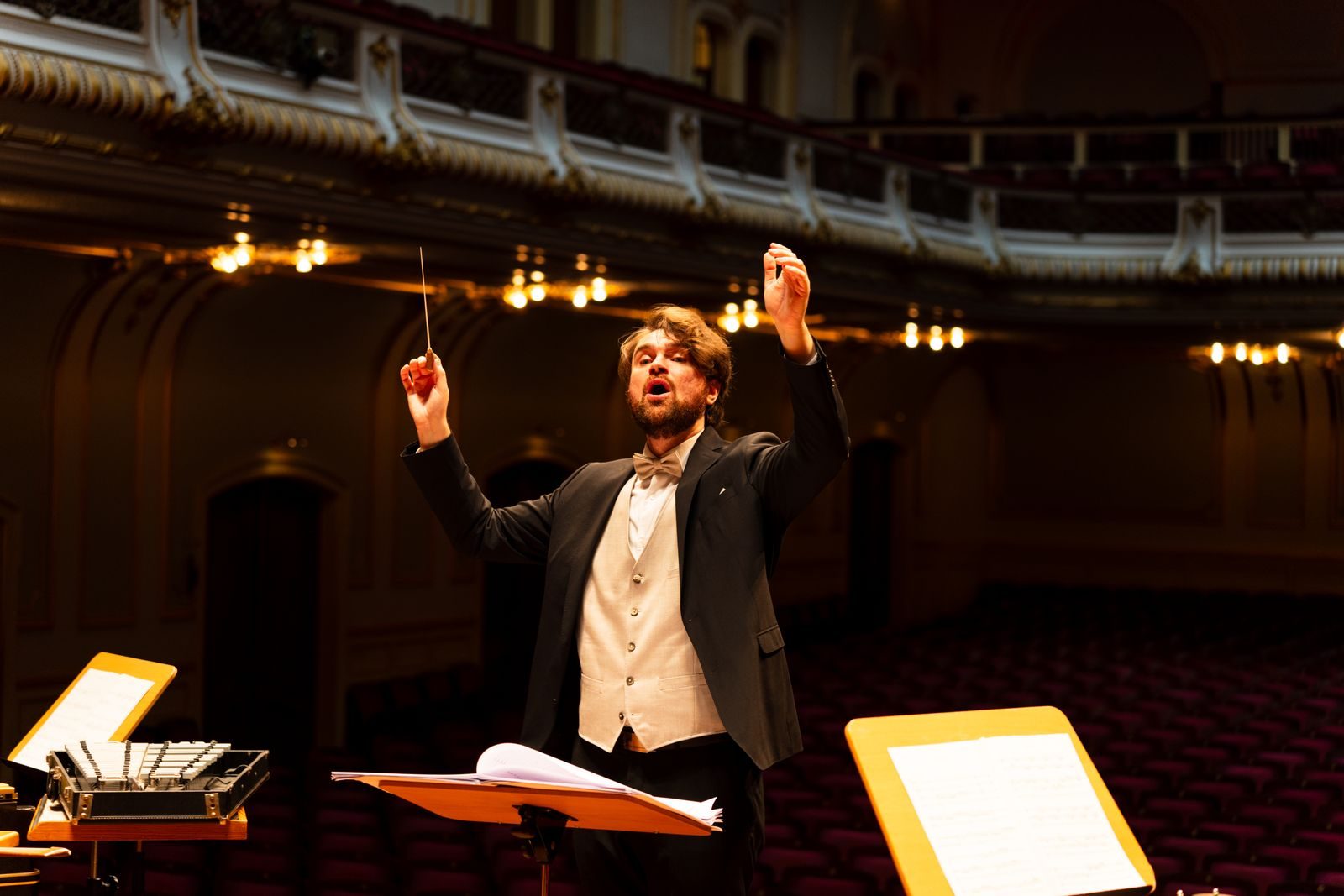
Accounting for theatre and ballet companies: rules, deadlines, best practice
NOGA code 900101 · ARTS, ENTERTAINMENT AND RECREATION
Whether you run a Sàrl, an SA or a sole proprietorship, accounting eventually lands on your desk. Here are the practical reference points — legal basis, deadlines and common pitfalls — to decide with a clear head.
The Swiss legal frame for accounting
A small business does not mean small obligations: from the first salary or the first VAT return, mistakes get expensive.
For accounting, the classic early mistake remains mixing private and business: a dedicated bank account and documented private withdrawals eliminate half the discussions with the tax office.
A well-structured SME chart of accounts
The test of a good chart of accounts is a single question: can the owner find the margins in three clicks? If not, the chart serves the tax office but not the business.
For accounting, a few well-chosen analytical accounts (by activity, by site) beat a forest of sub-accounts nobody ever reads.
Digitalising accounting: what actually works
Access for the fiduciary, the auditor and employees is set by roles: view, enter, approve, close. Well-set rights protect the data and speed up collaboration.
An SME that digitalises gains owner time first: less filing, fewer “where is that receipt?” questions, more attention to the trade — that is the real return of accounting.
Outsource accounting or keep it in-house?
The Swiss fiduciary market is dense and governed by professional practice: industry standards, business secrecy, civil liability. Compare offers on three concrete criteria — exact scope (data entry? closing? payroll? VAT?), a named contact person, and the tools used. It prevents year-end misunderstandings.
You can combine the models: internal day-to-day entry, monthly external supervision, closing and taxes with the specialist — accounting splits very well.
A Swiss SME's accounting calendar
An accounting calendar only lives if it is shared: owner, in-house bookkeeper and fiduciary must see the same deadlines and the same status.
Handing deadline monitoring to a tool is no luxury: automatic reminders, a status per obligation, and an “all green” view that clears the mind. What matters is not who ticks the box — but that the box exists and everyone can see it.
Frequently asked questions
Which social contributions does a Swiss employer pay?
AHV/IV/APG: 5.3% employer share (the same is withheld from the employee); unemployment insurance: 1.1% each up to CHF 148,200 a year; occupational pension (LPP) by age and plan (employer at least 50%); occupational accident insurance paid by the employer; family allowances by canton.
How much does accounting cost in Switzerland?
It depends on document volume, the number of salaries and VAT complexity — no serious figure can be quoted without examining the file. Two levers cut the bill everywhere: digitised, well-filed receipts and software that prepares entries instead of having them re-keyed.
Does MyFiducia.ai work for a business anywhere in Switzerland?
Yes: the platform runs online, the rules applied are federal (VAT, CO, AHV), and the file can be shared with any fiduciary. Cantonal specifics (taxes, allowances) are configured in your file.
How long must records related to accounting be kept?
Ten years from the end of the financial year concerned (art. 958f CO). Electronic retention is permitted if the integrity and readability of the records are guaranteed — a serious digital archive validly replaces paper binders.
Professions in the same sector
- Orchestras, choirs, musicians
- Support activities to performing arts
- Painters, sculptors and other self-employed artists
- Other artistic and literary activities
- Freelance journalists
- Operation of arts facilities
- Library and archives activities
- Museums activities
- Operation of historical sites and buildings and similar visitor attractions
- Botanical and zoological gardens and nature reserves activities
- Gambling and betting activities
- Operation of sports facilities
This guide by municipality
Also worth reading
Switch to accounting that keeps itself up to date
MyFiducia.ai automates accounting for Swiss SMEs: AI-read documents, posting suggestions, VAT and exports ready for your fiduciary. Try the platform or browse our other guides.
The application is operated in French.
Source: NOGA 2008 nomenclature, Swiss Federal Statistical Office (FSO). A statistical nomenclature: it describes an activity and is not a commercial register entry.