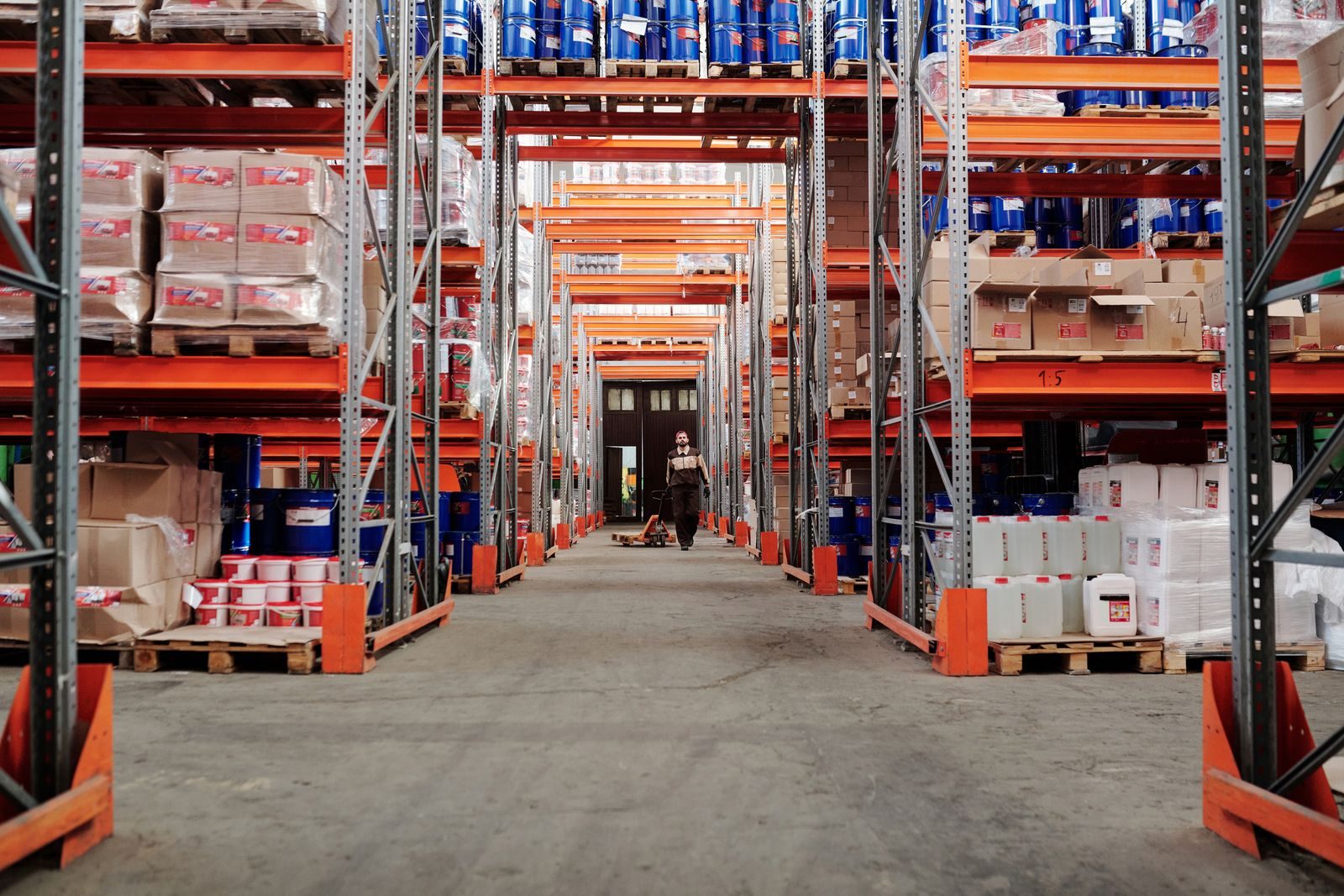
Everything that matters about accounting for wholesale of machinery for the textile industry and of sewing and knitting machines
NOGA code 466400 · WHOLESALE AND RETAIL TRADE; REPAIR OF MOTOR VEHICLES AND MOTORCYCLES
Swiss accounting law (art. 957 ff. of the Code of Obligations) sets a precise frame, yet day-to-day practice often stays fuzzy. This guide walks through what actually matters for a business based in Switzerland.
The Swiss legal frame for accounting
In Switzerland, the duty to keep accounts stems from art. 957 ff. of the Code of Obligations. Legal entities (Sàrl, SA) and sole proprietorships with at least CHF 500,000 in revenue keep full accounts: balance sheet, income statement and notes. Below that threshold, a simplified record of income, expenses and assets is sufficient.
Art. 957a CO requires complete, truthful and systematic recording of transactions, each entry backed by a supporting document. For accounting, that means in practice: no movement without a receipt, and an audit trail that can be reconstructed at any time — including during a VAT or AHV inspection.
Outsource accounting or keep it in-house?
The Swiss fiduciary market is dense and governed by professional practice: industry standards, business secrecy, civil liability. Compare offers on three concrete criteria — exact scope (data entry? closing? payroll? VAT?), a named contact person, and the tools used. It prevents year-end misunderstandings.
You can combine the models: internal day-to-day entry, monthly external supervision, closing and taxes with the specialist — accounting splits very well.
A Swiss SME's accounting calendar
The professionals' trick: handle every deadline at D-30, not D-1. A VAT return prepared a month early leaves time to chase a missing document without penalty.
Delays rarely come alone: neglected bookkeeping postpones the closing, hence the tax return, hence the recalculated instalments — and the business flies blind for months. Keeping the books current as you go is the only sustainable way to hold every cascading deadline.
A well-structured SME chart of accounts
Shareholder current accounts demand strict hygiene: every private withdrawal documented, interest at the rates accepted by the tax administration, and a clean-up at closing.
The chart of accounts is also the hinge to VAT: every revenue account carries its rate (8.1%, 2.6%, 3.8% or exempt), every expense account its input-tax right. Set those attributes once in the tool and every subsequent return becomes reliable.
Digitalising accounting: what actually works
The classic digitalisation traps are avoidable: scanning without quality control (unreadable records), stacking disconnected tools (double entry in disguise), or neglecting access rights. One single flow from document to entry, with clear roles, beats five shiny apps.
An SME that digitalises gains owner time first: less filing, fewer “where is that receipt?” questions, more attention to the trade — that is the real return of accounting.
Frequently asked questions
How much does accounting cost in Switzerland?
It depends on document volume, the number of salaries and VAT complexity — no serious figure can be quoted without examining the file. Two levers cut the bill everywhere: digitised, well-filed receipts and software that prepares entries instead of having them re-keyed.
Can accounting be automated with AI?
Largely, yes: automatic document reading, posting suggestions, bank reconciliation via QR references and VAT exports. Human approval remains essential — AI prepares, the professional checks. That is exactly how MyFiducia.ai approaches accounting.
Which documents should be prepared for the year-end closing?
Bank and cash statements at the closing date, the inventory of stock and work in progress, final AHV/LPP/accident settlements, contracts signed or amended during the year, invoices straddling two years and the detail of accruals. With an up-to-date document archive, most of it is already there.
Effective VAT method or net tax rate: how to choose?
The effective method deducts actual input VAT and files quarterly; the net tax rate method applies a flat industry rate to turnover, semi-annually, with no separate input VAT deduction. The flat rate suits low-cost structures; as investments grow, the effective method usually wins again.
Professions in the same sector
- Wholesale of car and light motor vehicles (< 3.5 t)
- Retail sale of car and light motor vehicle (< 3.5 t)
- Wholesale of other motor vehicles (> 3.5 t)
- Retail sale of other motor vehicles (> 3.5 t)
- Maintenance and repair of motor vehicles
- Bodywork repair and painting of motor vehicles
- Wholesale trade of motor vehicle parts and accessories
- Retail trade of motor vehicle parts and accessories
- Sale, maintenance and repair of motorcycles and related parts and accessories
- Agents involved in the sale of agricultural raw materials, live animals, textile raw materials and semi-finished goods
- Agents involved in the sale of fuels, ores, metals and industrial chemicals
- Agents involved in the sale of timber and building materials
This guide by municipality
Also worth reading
Switch to accounting that keeps itself up to date
MyFiducia.ai automates accounting for Swiss SMEs: AI-read documents, posting suggestions, VAT and exports ready for your fiduciary. Try the platform or browse our other guides.
The application is operated in French.
Source: NOGA 2008 nomenclature, Swiss Federal Statistical Office (FSO). A statistical nomenclature: it describes an activity and is not a commercial register entry.