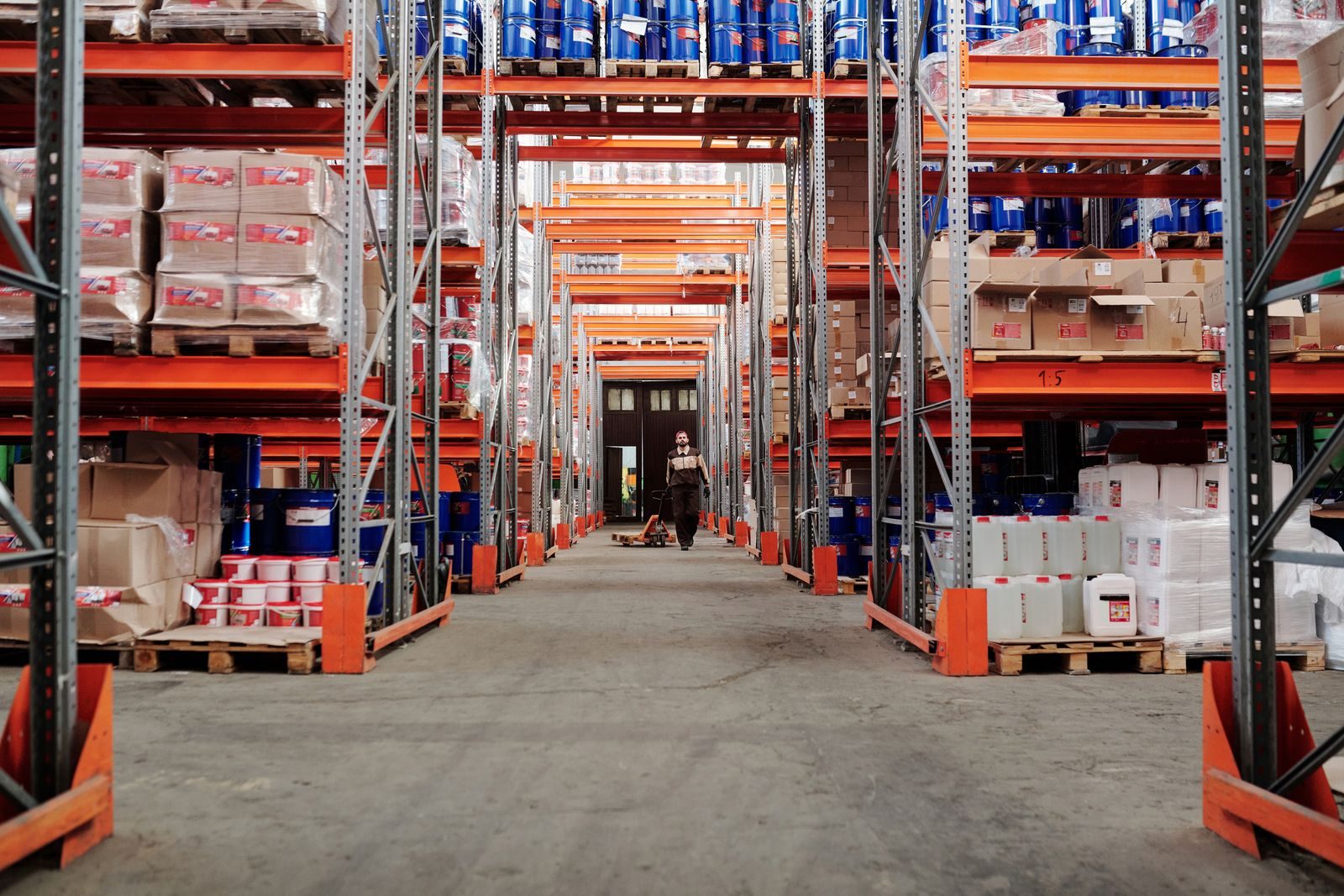
Accounting for wholesale of leather and travel goods: rules, deadlines, best practice
NOGA code 464904 · WHOLESALE AND RETAIL TRADE; REPAIR OF MOTOR VEHICLES AND MOTORCYCLES
Delegate, digitalise or do it all yourself? Around accounting, every SME draws its own line. The reference points below — federal law, cantonal practice and lessons from the field — help you place the cursor well.
The Swiss legal frame for accounting
Responsibility for the books is personal: in an SA, organising the accounting is one of the board's non-transferable duties (art. 716a CO); in a Sàrl, the managing directors carry the same duty. Outsourcing the execution never transfers that underlying responsibility.
For accounting, the classic early mistake remains mixing private and business: a dedicated bank account and documented private withdrawals eliminate half the discussions with the tax office.
Digitalising accounting: what actually works
Artificial intelligence has changed the economics of accounting: automatic invoice reading reaches recognition rates that make manual entry marginal, and posting suggestions learn from corrections. The accountant does not disappear — the job shifts from data entry to control and advice.
The winning pair for accounting: a single inbox (e-mail, scan, photo) and one simple rule — no document sits more than a few days without a proposed entry.
Outsource accounting or keep it in-house?
The scope goes down in writing: who enters data, who approves payments, who answers the tax office, who keeps the originals. Every “we'll see” at the start becomes a December misunderstanding.
With a shared online platform, collaboration works remotely, documents and entries visible to both sides in real time. The choice widens to all of Switzerland — competence becomes the criterion again, not the postcode.
A Swiss SME's accounting calendar
An accounting calendar only lives if it is shared: owner, in-house bookkeeper and fiduciary must see the same deadlines and the same status.
The useful reflex: date every obligation the moment it arises. An employee hired means AHV/LPP deadlines created; VAT registration means a filing cycle set; a closing date fixed means backward planning of the close. Well organised, the accounting calendar fills itself.
A well-structured SME chart of accounts
Account labels deserve as much care as numbers: “Third-party fees” says nothing, “Fiduciary fees” and “IT fees” say everything. Meaningful labels cut posting errors and make dashboards readable without a glossary.
Comparability over time beats sophistication: a chart stable for five years beats a “perfect” one rebuilt every year. Banks and the tax administration read year-on-year movements first.
Frequently asked questions
Does MyFiducia.ai work for a business anywhere in Switzerland?
Yes: the platform runs online, the rules applied are federal (VAT, CO, AHV), and the file can be shared with any fiduciary. Cantonal specifics (taxes, allowances) are configured in your file.
When is entry in the commercial register mandatory?
A Sàrl and an SA only come into existence with their registration. A sole proprietorship must register from CHF 100,000 of annual revenue; below that, registration stays voluntary but adds credibility and protects the business name.
What is the difference between a limited and an ordinary audit?
The ordinary audit applies to companies exceeding, for two consecutive years, two of three thresholds: CHF 20 million balance sheet total, CHF 40 million revenue, 250 full-time positions. Others fall under the limited audit, and those with no more than ten full-time positions on annual average can opt out with all shareholders' consent.
When must a business register for VAT?
As soon as its worldwide annual turnover reaches CHF 100,000 (CHF 250,000 for non-profit sports or cultural associations). Below that, voluntary registration remains possible and often makes sense to reclaim input VAT on investments.
Professions in the same sector
- Wholesale of car and light motor vehicles (< 3.5 t)
- Retail sale of car and light motor vehicle (< 3.5 t)
- Wholesale of other motor vehicles (> 3.5 t)
- Retail sale of other motor vehicles (> 3.5 t)
- Maintenance and repair of motor vehicles
- Bodywork repair and painting of motor vehicles
- Wholesale trade of motor vehicle parts and accessories
- Retail trade of motor vehicle parts and accessories
- Sale, maintenance and repair of motorcycles and related parts and accessories
- Agents involved in the sale of agricultural raw materials, live animals, textile raw materials and semi-finished goods
- Agents involved in the sale of fuels, ores, metals and industrial chemicals
- Agents involved in the sale of timber and building materials
This guide by municipality
Also worth reading
Switch to accounting that keeps itself up to date
MyFiducia.ai automates accounting for Swiss SMEs: AI-read documents, posting suggestions, VAT and exports ready for your fiduciary. Try the platform or browse our other guides.
The application is operated in French.
Source: NOGA 2008 nomenclature, Swiss Federal Statistical Office (FSO). A statistical nomenclature: it describes an activity and is not a commercial register entry.